Why Small AI Toys Are Better For Kids
By Curio Team
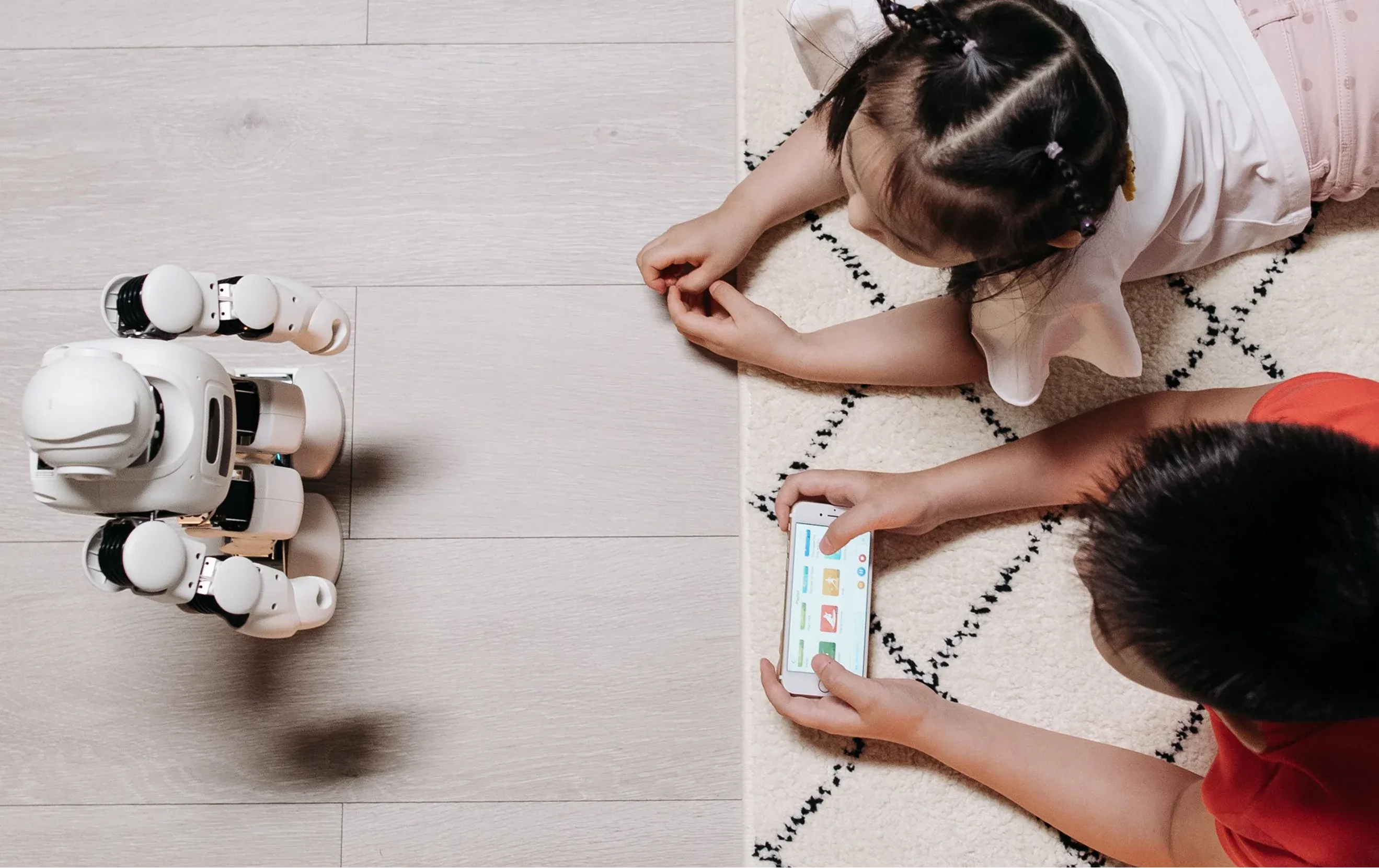
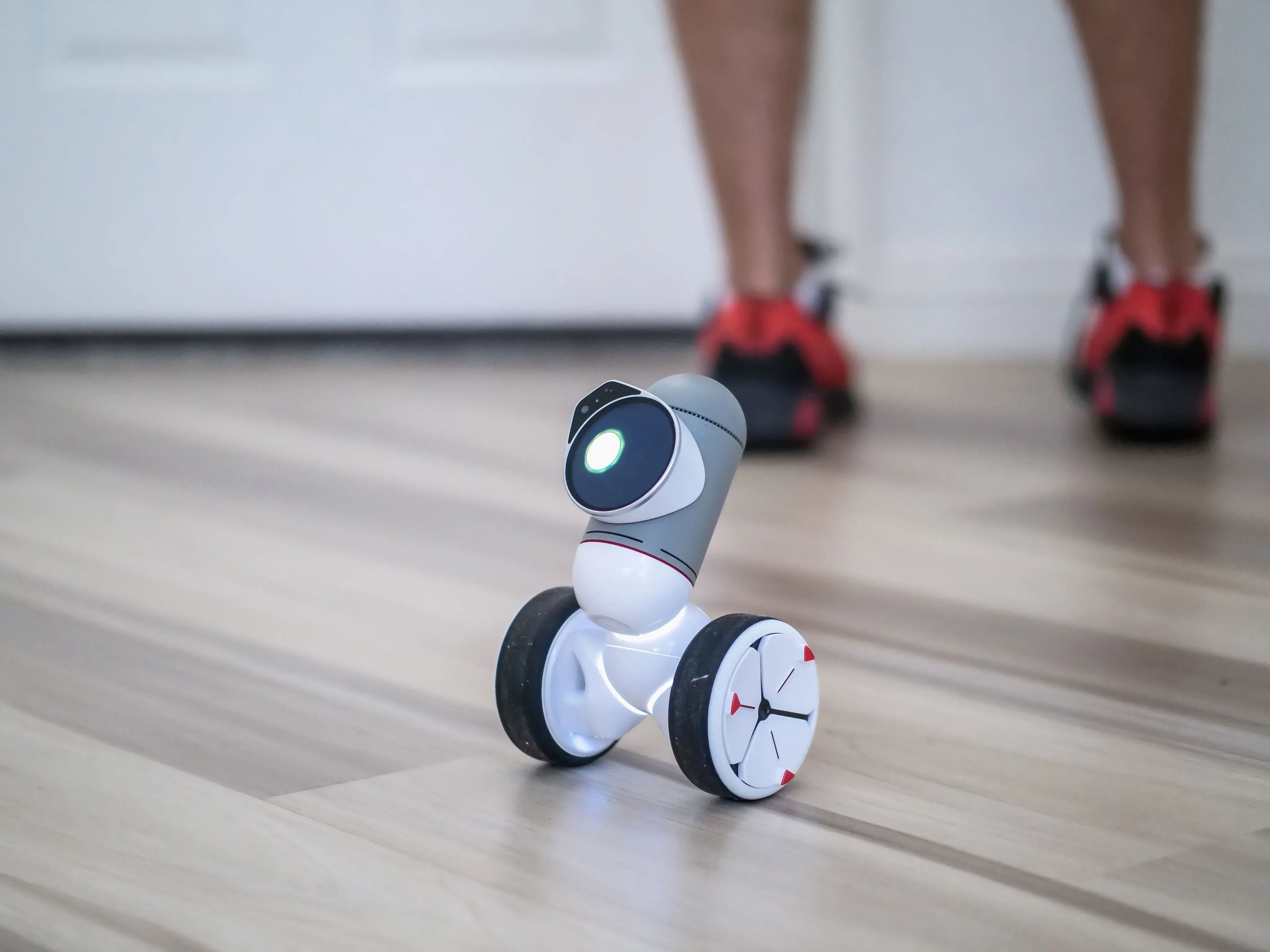
AI toys have been taking the world by storm these last couple of years, and they have only been getting better. Their size differs depending on their functionality and purpose. Certain AI toys like Curio are smaller and more compact, matching the look and feel of regular plush toys. Then there are larger toys like coding robots that have tires and interactive face screens. So what exactly makes a small AI toy?
What Are Small AI Toys?
Although it is an extremely vague term, generally, a small AI toy is an AI toy with an intentionally small form factor. This is usually done because smaller toys have advantages over larger toys, and AI can be compacted while other features cannot. The size of the toy usually does not take away from the AI capabilities. We actually have another article with a good definition of AI toys located (Here).
Their Design Importance
Smaller AI toys have significant advantages over larger ones. Let’s dive into what makes small AI toys unique.
- Less Intimidating:Small AI toys like Curio have a unique advantage over larger toys because they mimic the exact design of regular plush toys. This allows them to have a much less intimidating structure innately, because larger toys like coding robots have big wheels and often take up a lot of space, while a smaller toy can just be held in a child's hand. Especially when a toy is expensive, certain children can be afraid of breaking it. Meanwhile a soft plush toy like Curio is often much easier for a child to handle and feel comfortable with. There have also been studies that show children are often more willing to interact with an AI plush toy over a parent or a teacher.
- Lower Cognitive Load: Toys with screens or larger toys can put a lot of mental strain on a child. With certain toys there can often be too much going on, where a child struggles to focus on one particular interaction, especially those with attention deficit disorders. Curio lets a child focus on speaking back and forth and the speaking interaction is the only thing they have to focus on. They do not have to worry about a screen or anything else. This helps especially with younger children who often cannot handle the larger, more complex AI toys.
- Unstructured Play: Larger AI toys often have certain bounds that they must follow, like a coding robot having to use an entire room to drive around or cycling through certain missions. Curio and other interactive AI plush companions are different however. You can just talk to them and it is completely open-ended play. Open-ended play is very good for a child's imagination. It is actually one of the reasons why regular toys are still often favored by parents over AI toys. Children are meant to imagine, but a huge factor that AI toys have is that they can expand on any single thought that a child has. They can teach a child new words or go in depth on something that a child is already interested in.
Screenless Advantage
Parents nowadays are really trying to take a step away from the tablet era, the era of children just sitting and watching on their tablets. AI toys, especially ones like Curio, are screenless, which allows them to interact and have a fun experience with a child with no screens in sight, which is not very common in this day and age.
Children benefit heavily from back and forth interaction because that is how the human brain develops language. Another reason that makes screens really difficult to avoid is that children love screens. They are built from the ground up to keep a child's attention the entire time. AI toys are built however for a child's imagination to be in the front seat, and for a child to actually have to listen to what the AI has to say.
Portability
The main point behind portability is the convenience and the extended play duration. A child can often enjoy a small AI plush for much longer than one of these other large AI toys because the smaller toy can simply be used in more situations. Situations can be like a long road trip to a grandparent's house or simply just taking the toy out with the family.
Smaller AI toys are usually meant to not be plugged in for long periods of time, compared to larger AI toys that often have a docking station. One small but notable thing to add is that children often have a better attachment to a smaller AI toy because they can hold it and bring it around, which gives a sense of attachment and comfort.
Where To Look
If you are thinking about buying an AI toy, look no further than Curio. Now, we are not just saying this because it is our own product, but we are also a company built with children's safety in mind.
We have a wide range of Ai toys for kids of all ages:
- Age 3-5: Grem, Gabbo, Poppy
- Age 6-9: Springer, Lingo, The Visitor, Ballerina Cappucina
- Age 10-12: Linus
See the full Curio lineup here.
Conclusion
The future of AI toys is not about becoming bigger and better. It is actually about becoming smaller and smarter. The advancements in AI toys are not going to come from the physical side, but rather from the software and the artificial intelligence that drives these toys.
As a parent, it can be scary to face the uncertainty of the future, but it is also a positive thing to look at how much better childhood can be for kids these days. It's always important to stay positive, look toward the future, and think about what can be.