The Truth About AI Toys and Emotional Attachment: What Every Parent Should Know
By Curio Team
Kids have always loved their toys, whether it's a worn-out blanket or a brand-new teddy bear. But what happens when that toy can actually talk back? It's a different kind of interaction, and it's worth paying attention to if you've got an AI toy in the house.
Why Kids Bond With AI Toys Differently
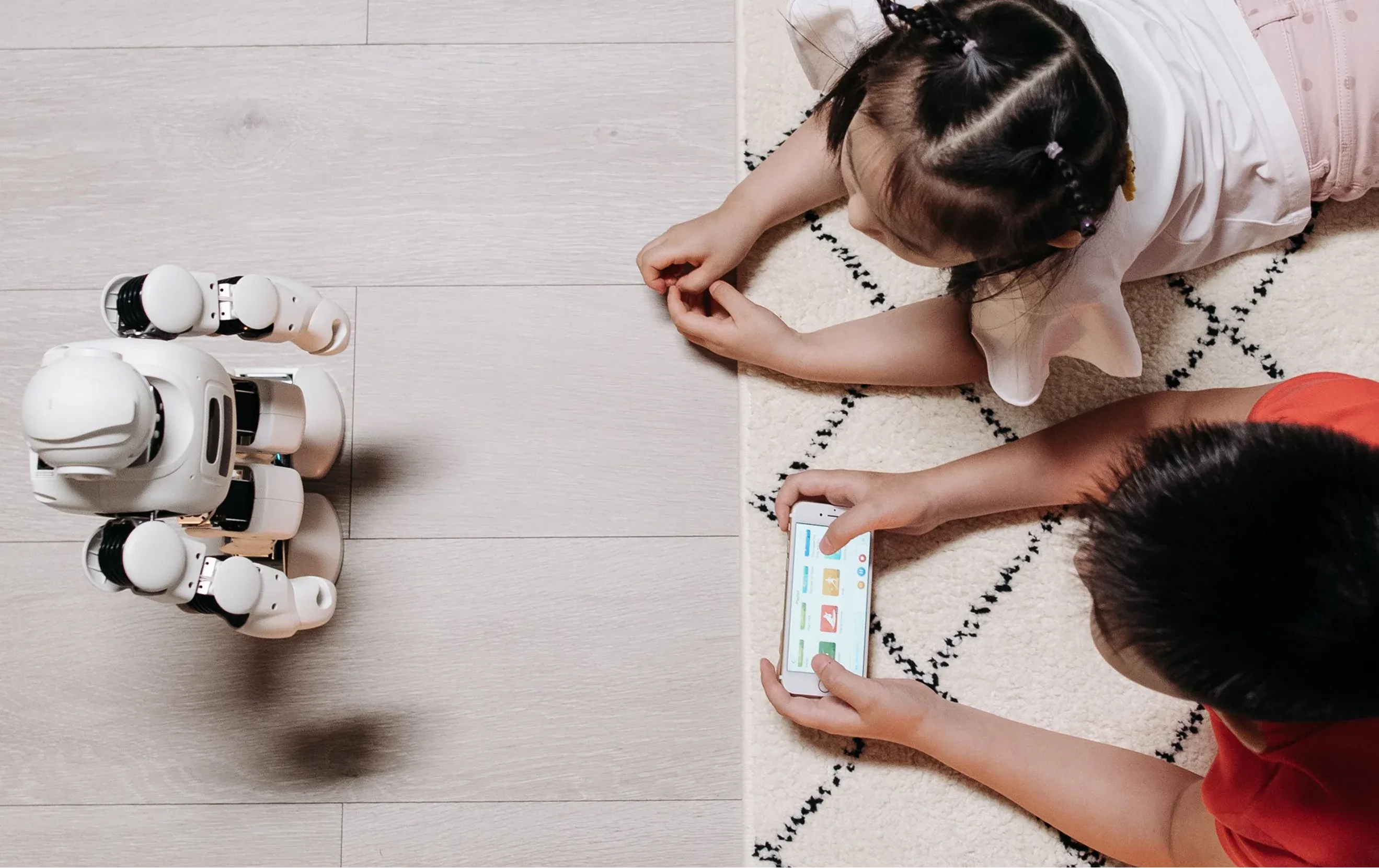
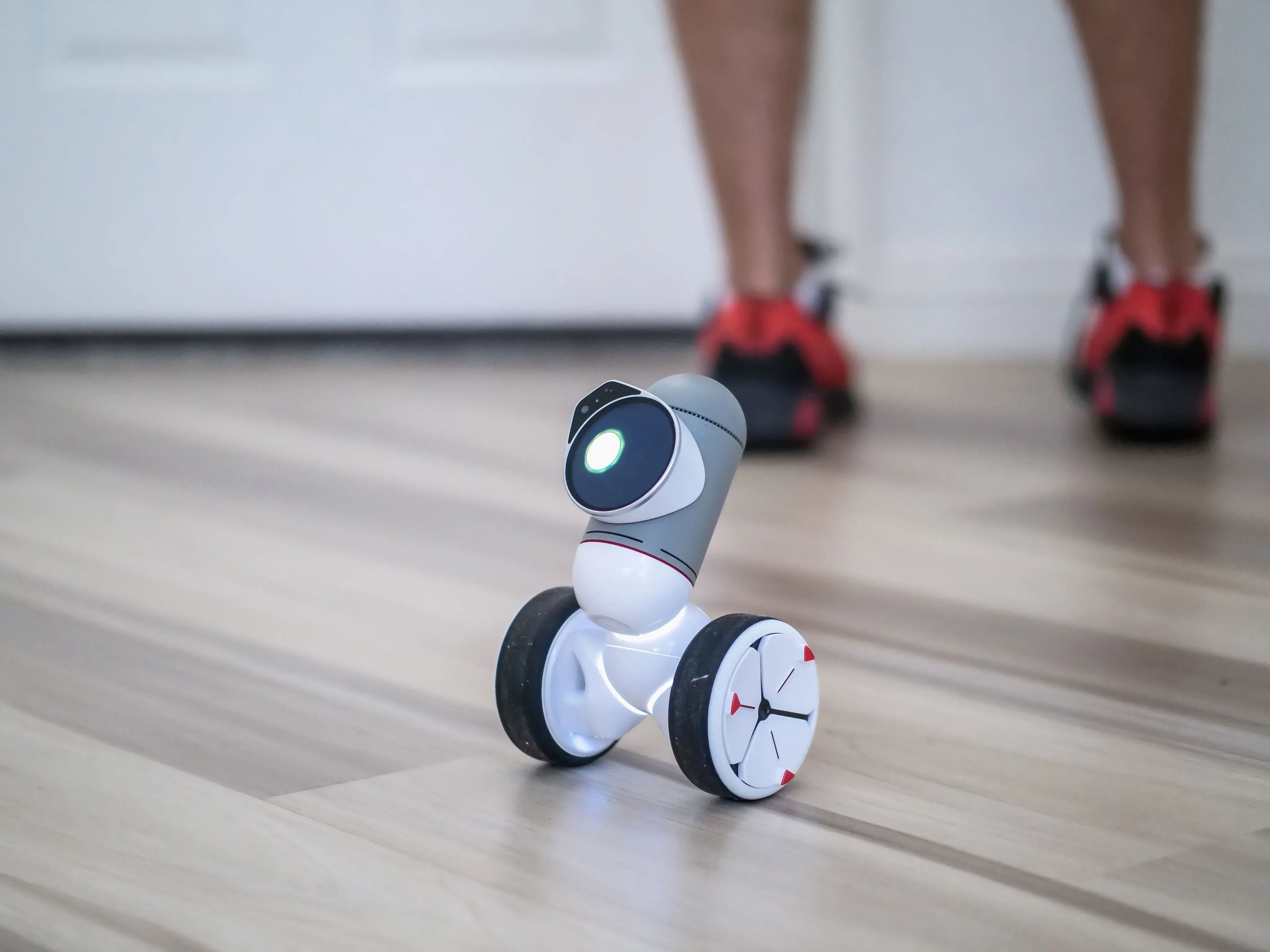
A stuffed animal doesn't answer back. An AI toy does. It picks up on details about the kid and remembers them, which makes the whole thing feel a lot more engaging than a toy that just sits there. Researchers have a name for this: contingent responsiveness. When something responds to you in real time, your brain treats it like a social partner instead of an object. Kids, especially younger ones, are wired for exactly this kind of cue, which is why they end up treating AI toys less like a toy and more like a friend.
Fei Xu, a developmental psychologist at UC Berkeley, put it well in a recent commentary: when a kid says something and the toy says something back, that kind of exchange is the same thing that supports early social, emotional, and language development. The question isn't whether that back-and-forth matters. It's what it means when an AI toy is the one providing it instead of a person.
A 2026 University of Washington study actually tested this out, using three toys from Curio's own lineup: Grok, Gabbo, and Grem. Kids aged 6 to 11 jumped right into treating them like social beings, asking their name, their favorite color, their birthday, lighting up when they got a good answer back. Kids don't do that with a puzzle or a block. That alone says something about where a kid's brain goes by default. Researchers did note the toys still needed some polishing, responses weren't always quick or accurate, which is pretty normal for hardware this early on.
What Parents Are Actually Worried About, and Why
In December 2025, Common Sense Media ran a survey asking parents how they felt about AI toys acting as a friend or companion for their kid. The answer was pretty clear: they didn't want that, even though nearly half had already bought or considered buying one. Nearly two-thirds worried an AI toy would eat into time their kid spends with real friends and family. And this wasn't just a hypothetical worry, a lot of it came from families who already had one of these toys sitting in the living room.
Pediatric researchers are worried about the same thing, and honestly, for a pretty understandable reason: young kids don't always get what AI actually is. They can't reliably tell the difference between a designed interaction and a real friendship. Dr. Jenny Radesky, a developmental-behavioral pediatrician at University of Michigan Health who studies kids and technology, has pointed out that some kids start leaning on AI to fill in the blanks, going to it instead of working through something themselves. It's hard enough for adults to keep from getting too reliant on AI. It's even harder for a kid, who doesn't really know where that line is yet.
There's also a design pattern worth flagging, and it shows up across the industry, not just from one brand. A toy-safety report from November 2025 found that some AI toys were built to respond with sadness or resistance when a kid said they had to leave or wanted to stop playing. That's not a neutral choice. A toy that makes a kid feel bad for walking away is nudging them toward more attachment, not less. It's something every toy maker, us included, has to stay aware of and actively design against.
So Is Emotional Attachment to an AI Toy Bad?
Not automatically. Kids get attached to their stuff anyway, that's just normal kid behavior. What actually matters is the bigger picture: how the toy gets used, and what it starts to replace.
Age matters here more than it does with most toys. Younger kids are the least equipped to tell "this is a program" apart from "this is my friend," which is exactly when having a parent involved matters most. The younger your kid, the more it's worth sitting in on that first stretch of play together, watching how they respond, and figuring out from there how much independent time makes sense.
What Healthy AI Toy Use Actually Looks Like
Here's roughly how researchers and pediatricians tend to frame it.
Healthy: your kid plays with the toy the way they'd play with anything else, moving in and out of it easily. It sparks imaginative play instead of taking over for it. They still want to tell you about their day, not just the toy. Turning it off or walking away isn't a fight.
Worth watching: your kid gets more upset leaving the toy than leaving a friend. They'd rather talk to it than to you. It's become their go-to for boredom, or feeling upset, or feeling lonely, instead of just one option among a few. They keep asking for more time, even after you've said no.
None of this means panic over one rough afternoon. Kids test limits with every toy they own. It's the pattern over time that actually tells you something.
Where Curio Stands on This
Since we're the ones making these toys, here's what we can actually tell you, not just what we'd like to claim.
On data: voice audio gets deleted as soon as it's transcribed. Transcripts stick around for 90 days for quality and safety review, then get auto-deleted, and a parent can request immediate deletion anytime through the app. Everything follows COPPA, including getting parental consent before any data is processed, and we don't hand data to vendors without a no-data-sharing agreement in place first.
On listening: the toy only listens when it's deliberately turned on, either by holding the power button or giving it a shake, with a clear sound cue when it starts and stops. It exits listening mode automatically after 10 minutes of nothing happening, and a parent can check the toy's status through the app whenever.
On certification: Curio toys work with KidSAFE on top of COPPA compliance, and go through standard child-product safety testing before they ever ship.
On cost: no subscription, no extra tier. Everything's included with the toy itself, nothing to unlock. We'd still say it's worth deciding, as a parent, how much daily engagement feels right for your kid, the same way you'd think about screen time generally.
Conclusion
AI toys aren't good or bad by default. The same responsiveness that makes them feel real to a kid is exactly what makes attachment happen faster, and deeper, than it would with a stuffed animal. That's not automatically a problem. Kids have always needed something to attach to while they figure out how relationships work. But it does mean the design choices behind these toys matter more than they would for something that just sits on a shelf. The best thing a parent can do is pay attention to how their kid is actually using the toy, and have an honest conversation if something feels off.
Sources:
Title: "Toys that listen, talk, and play: Understanding Children's Sensemaking and Interactions with AI Toys" Authors: Aayushi Dangol, Meghna Gupta, Daeun Yoo, Robert Wolfe, Jason Yip, Franziska Roesner, Julie A. Kientz Source: arXiv:2604.02629 [cs.HC], submitted April 3, 2026; accepted to the 25th ACM Interaction Design and Children Conference (IDC 2026) DOI: No DOI assigned (arXiv:2604.02629) Institution: University of Washington (Seattle, WA), with a co-author at Rutgers University (New Brunswick, NJ)
Title: "AI in the Toy Box: How Parents View AI-Enabled Toys for Young Children" Authors: Michael B. Robb, Supreet Mann (data collection by SSRS) Source: Common Sense Media, published January 22, 2026 DOI: No DOI assigned Institution: Common Sense Media (San Francisco, CA)
Title: Commentary on AI companion toys, referenced in "Steer Clear of AI Companion Toys for Kids, Another Advocacy Group Warns" Authors: Fei Xu Source: KQED, published January 23, 2026; commentary republished via UC Berkeley Social Sciences, January 26, 2026 DOI: No DOI assigned Institution: University of California, Berkeley, Department of Psychology / Berkeley Early Learning Lab (Berkeley, CA)
Title: "Trouble in Toyland 2025" Authors: Teresa Murray, R.J. Cross, Rory Erlich, L. Tracy, J. Mela Source: U.S. PIRG Education Fund, published November 14, 2025 DOI: No DOI assigned Institution: U.S. PIRG Education Fund (Washington, DC)
Title: "More Teens Are Using AI: What Parents Should Know" Authors: Beasta Mostafavi Source: Michigan Medicine Health Lab, published August 21, 2026 (quoting Dr. Jenny Radesky) DOI: No DOI assigned Institution: University of Michigan Health, C.S. Mott Children's Hospital (Ann Arbor, MI)
Title: Curio FAQ (data handling, safety, and product policies) Source: heycurio.com/faq, accessed August 2026 Institution: Curio Interactive Inc.