What Do Kids Actually Prefer? AI Toys or Regular Toys?
By Curio Team
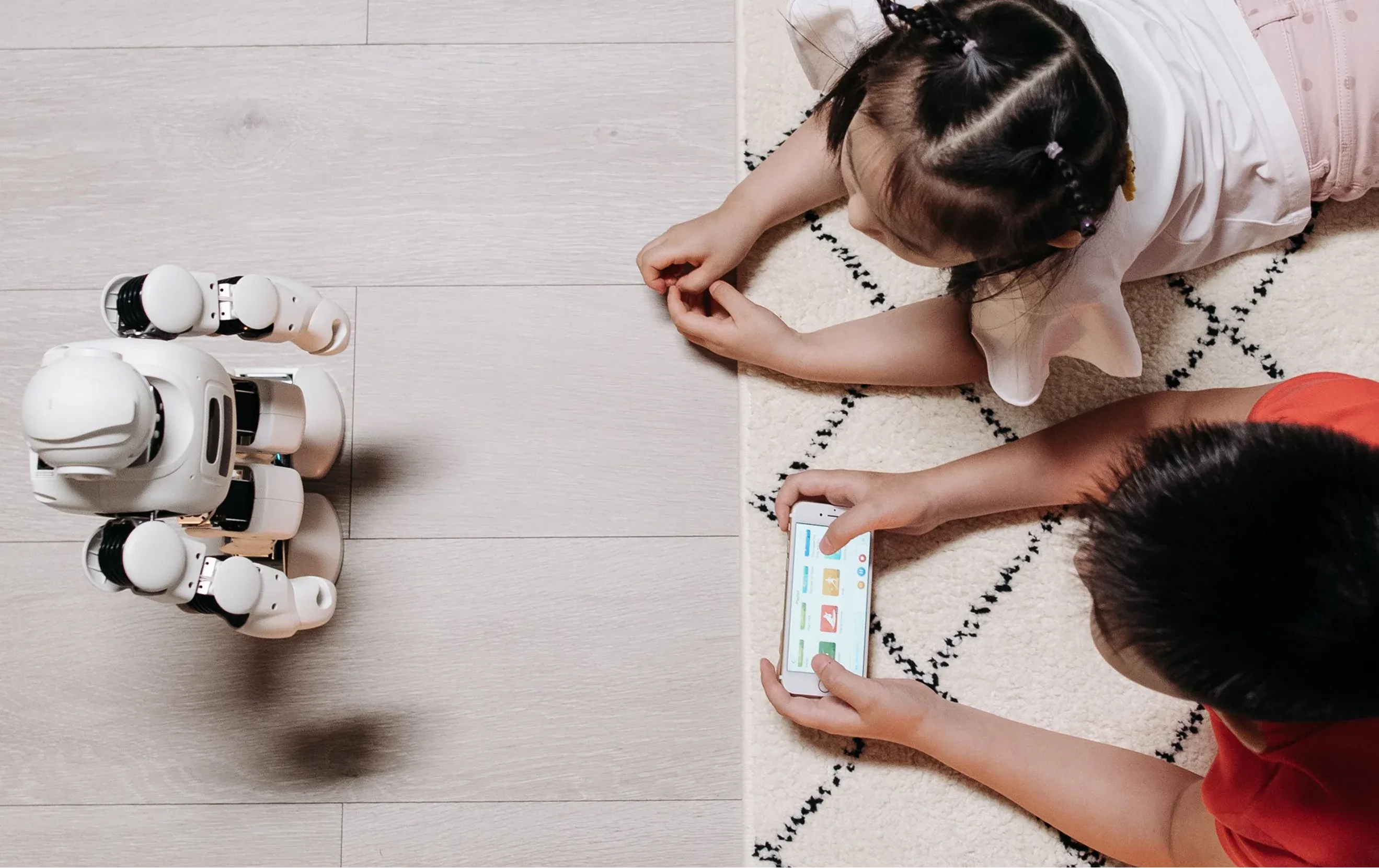
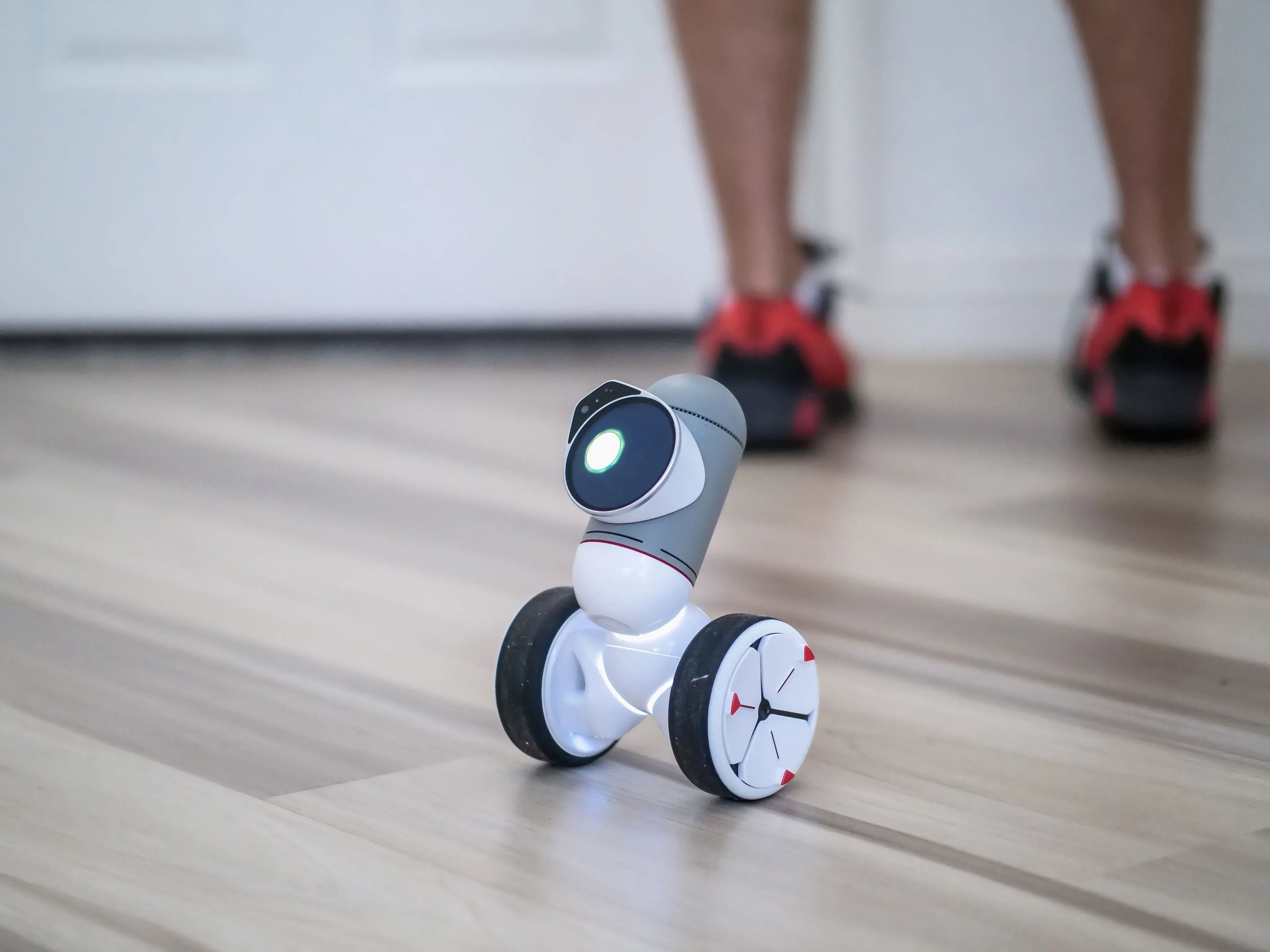
Go online and search for toys, and you'll see the usual stuff: card games, stuffed animals, puzzles. Right next to them, though, you'll also spot AI toys like Gabo, Poppy, or Lingo. Same marketplace, totally different products. So what are their actual sales numbers? And more importantly, what do kids like better? Are kids genuinely into AI toys, or is it just a marketing buzzword that sounds bigger than it is?
Short answer: regular toys are still dominant. AI toys are still niche. But AI toys had a record-breaking year in 2025, and it's probably not slowing down.
The Truth: Traditional Toys are Still Dominating Sales
After two years of flat-to-declining sales, the US toy industry finally saw real dollar growth again in 2025. What's interesting is what actually drove that comeback. It wasn't tech. It was traditional toys.
Pokémon alone topped $2.1 billion in sales, the first toy property to cross $2 billion in a single year in over 20 years. NFL-branded toys surged more than 100%, jumping from the No. 10 best-selling toy property to No. 2. Games & Puzzles grew 37%, mostly on the back of Pokémon cards, and collectibles overall jumped 33%, driven by trading cards, action figures, and pop-culture merch.
So the toys kids were actually buying, trading, and fighting over in 2025? Physical cards and figures. AI toys weren't anywhere near that list.
AI Toys’ Own Record-Breaking Year
This is where it gets interesting, and a little messy. Every research firm defines the category differently. Some lump AI toys under "smart toys." Others treat them as their own thing entirely. Either way, growth was real, though the numbers are all over the place: 2025 market-size estimates range anywhere from about $2 billion to $40 billion. Nobody's really nailed it down yet, which honestly just tells you how new and fast-moving this whole category still is.
The clearest picture comes from China, where most AI toys are actually made. Monthly sales sat roughly flat through 2024 and into early 2025. Then March hit, and sales nearly tripled almost overnight. By May, monthly sales had climbed to around 200,000 units and tens of millions of dollars, a scale nobody was expecting just months earlier. And it wasn't a fluke. That pace held for the rest of the year.
Interest in the US grew fast too. Nearly half of American parents say they've already bought or seriously considered buying their kid an AI toy, according to a Common Sense Media survey from December 2025. That's a wild number when you consider these toys have really only existed for the last few years.
Bottom line: traditional toys still dominate, but AI toys are closing the gap fast, and this could turn into real competition within a few years.
Do Kids Actually Like AI Toys Once They're Playing With Them?
Sales numbers only tell you what parents are buying. Sure, there's some correlation since kids ask for specific toys, but it's not the whole picture. A 2026 University of Washington study looked at how kids actually behave around LLM-powered toys once they're playing freely.
The biggest finding: most kids treated the toy like an actual being. They asked its name, its favorite color, its birthday, and got genuinely excited when it answered. That's the promising part. Kids treated it like a "someone," not a "something." Traditional toys just can't do that. Researchers did note that responsiveness could use some polish, since certain responses went unheard by the toy, but that's exactly the kind of thing engineering teams are actively working on.
Where AI Toys Could Close The Gap
Toys have followed predictable patterns for decades. Traditional toys have to keep innovating by releasing new physical products to stay relevant. AI toys might not need that. They could innovate without ever needing a new SKU.
Take novelty. Flashy toys get a burst of engagement that rarely lasts more than a few weeks. AI toys have a real edge here: since the software keeps getting updated, the toy your kid has today might genuinely gain new features it didn't have on day one.
Social play is trickier. This is where AI toys have real ground to make up. Pokémon cards, and baseball cards before them, work partly because kids influence each other to buy in. It's peer pressure, basically, in the best possible way. Other product categories have figured out how to tap into that. AI toys will probably need to get creative to compete on that front.
Conclusion
As of mid-2026, the most popular toys are still overwhelmingly traditional. Action figures, collectible cards, anything kids can trade with their friends, that's what dominates the shelves right now.
But the AI toy niche is growing, and it's likely to get bigger every year from here. Maybe one day these toys crack the top 10. Maybe one even becomes the top toy. The potential is there, both in the tech itself and in the fact that these toys can keep evolving in ways regular toys never could. Regular toys aren't winning because kids don't want AI. They're winning because they've had decades to perfect open-ended play. AI toys are just getting started, and 2025 showed exactly how fast they're catching up.
Sources:
Title: "The Comeback was Collectible" Authors: Juli Lennett Source: The Toy Book (The BIG Toy Book, 2026 Edition), published February 14, 2026 DOI: No DOI assigned Institution: Circana, LLC (Chicago, IL)
Title: "AI in the Toy Box: How Parents View AI-Enabled Toys for Young Children" Authors: Michael B. Robb, Supreet Mann (data collection by SSRS) Source: Common Sense Media, published January 22, 2026 DOI: No DOI assigned Institution: Common Sense Media (San Francisco, CA)
Title: "China AI Toy Market Surged +427% in 2025: Emotional Companionship Redefines the Category" Authors: Jotham Lim Source: Moojing Global, News & Research, published February 2, 2026 DOI: No DOI assigned Institution: Moojing Global
Title: "Toys that listen, talk, and play: Understanding Children's Sensemaking and Interactions with AI Toys" Authors: Aayushi Dangol, Meghna Gupta, Daeun Yoo, Robert Wolfe, Jason Yip, Franziska Roesner, Julie A. Kientz Source: arXiv:2604.02629 [cs.HC], submitted April 3, 2026; accepted to the 25th ACM Interaction Design and Children Conference (IDC 2026). DOI: No DOI assigned (arXiv:2604.02629). Institution: University of Washington (Seattle, WA), with a co-author at Rutgers University (New Brunswick, NJ)