Do Kids Still Need Traditional Toys in an AI World?(Honest Answer)
By Curio Team
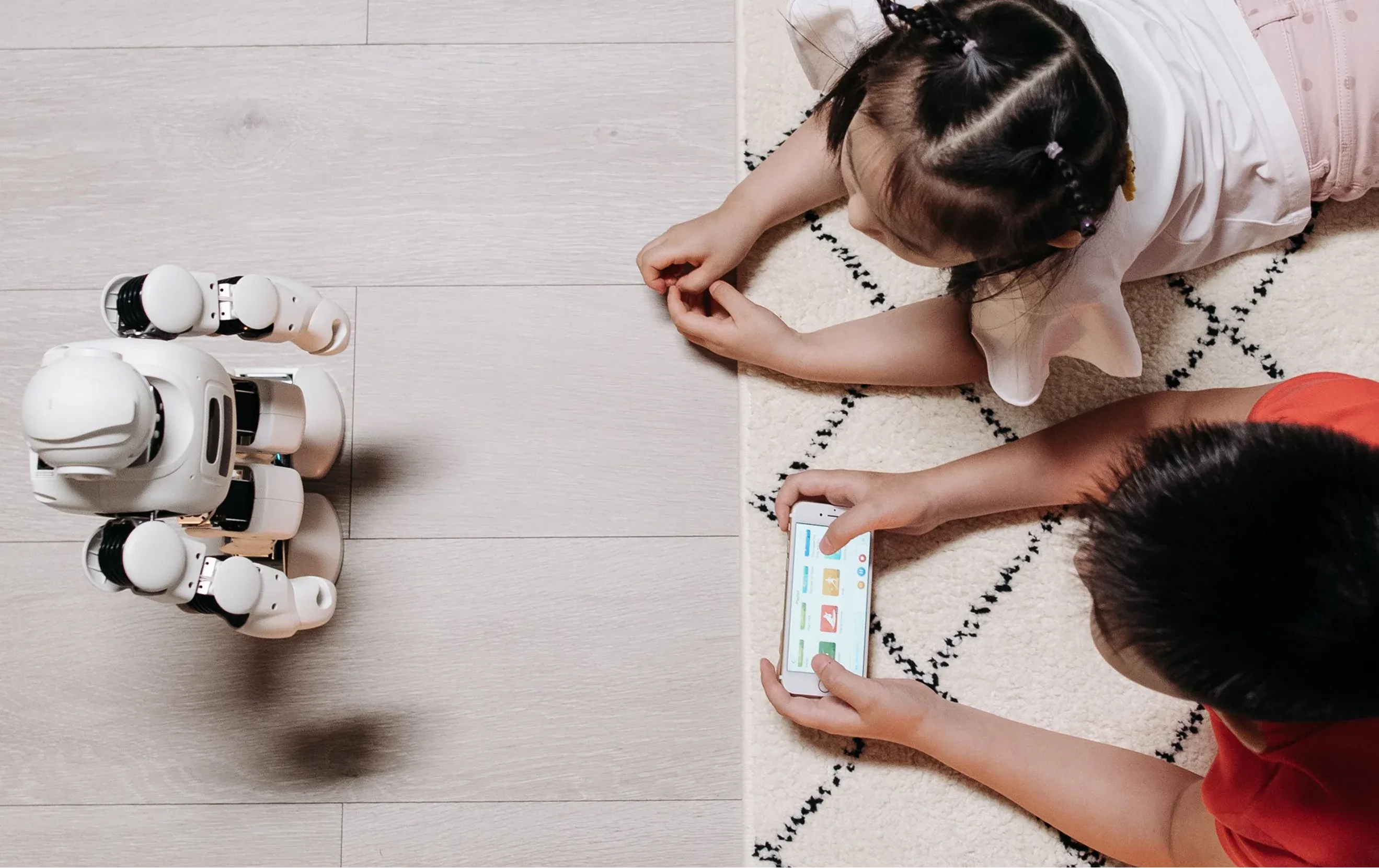
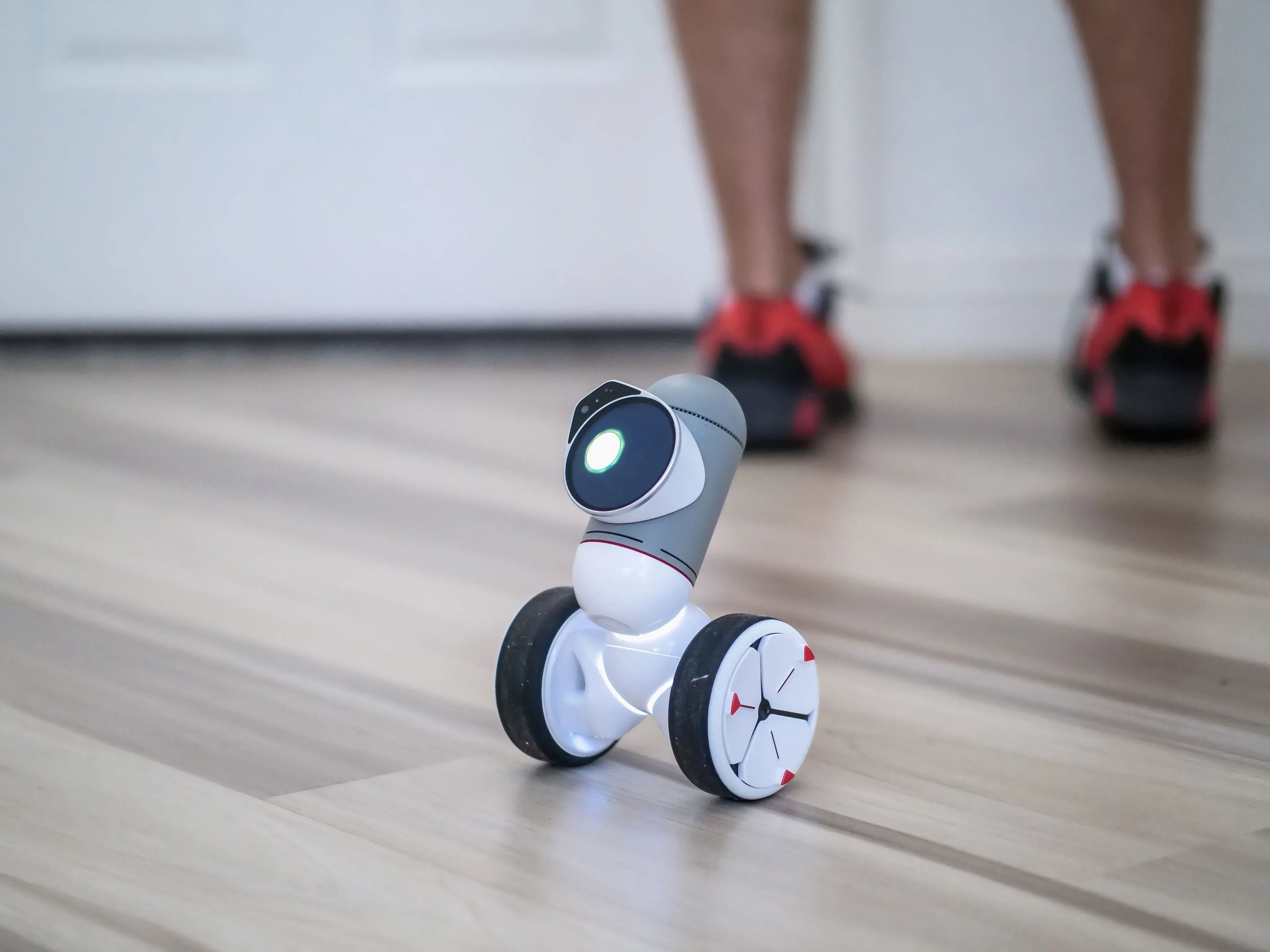
AI toys have started to surge the market, and every single day there are more and more of them. Their features seem endless, and so does the entertainment that comes along with it. However, it is important to remember the role of traditional toys in this world of AI. This article is not going to sugarcoat it, it is going to tell you the honest truth about the future and the fate of traditional toys.
What Parents Are Actually Worried About
Most parents are not outright against AI toys, they are just concerned and rightfully want to monitor everything they give to their child. For starters, it is something completely different from what they grew up with.
There is a real concern that an AI companion might end up replacing imagination. What happened to just regular, plain old imagination?
Sitting right next to that doubt is data and privacy. What if the toy hears something a parent would not necessarily want shared with a big company? These are valid concerns, and every parent should care about where their child's data goes.
Finally, there is a bit of an irrational concern, but serious to some, that a parent might somehow be replaced by an AI toy. Most people would say that sounds a little ridiculous, but to some it is a genuine point of worry.
What Traditional Toys Do Really Well
Traditional toys still have a lot of advantages when compared to their high-tech AI toy counterparts.
- Open-ended Imagination:The first one is open-ended imagination. Children have always made their own fun in their own situation. You probably remember playing in a laundry basket as a kid, and that has not changed.
- Social Play: Board games, building sets, dolls, what do these all have in common? They pull other people into the play. Most of the time children are playing in a public area or at school, and they often share or negotiate. These toys force social interaction, which builds communication skills that can last a lifetime.
- No Batteries or Internet: This point is pretty much self explanatory. Old toys sometimes relied on batteries depending on whether they were electronic, but you could always depend on a traditional toy in a way you cannot always depend on a modern AI toy. There is no app to update, no wifi needed, no risk of it being discontinued. That simplicity and reliability matters.
- Proven Developmental Benefits: Decades of research have proven traditional toys work and provide multiple benefits. Fine motor skills, creativity, language and social development are all well documented and widely trusted by parents and teachers alike.
- Encourages Independent Thinking: A big concern for parents is that a child will become too dependent on an AI toy for providing answers. Parents want kids to be able to be independent and solve issues on their own, not to have everything handed to them. Traditional toys do just that, and have been doing it for thousands of years of human history.
Where Traditional Toys Fall Short
Traditional toys do not adapt, they are not built for the future. If a parent buys their child a puzzle, the kid solves the puzzle and that is it. Two years later the puzzle does not get any harder, and the value is gone. For a generation of kids growing up in a world where everything is responsive, a regular toy might just fall flat. It is not a criticism of traditional toys, it is just the reality of the world kids are growing up in.
What AI Toys Bring to the Table
AI toys fill the gaps that traditional toys leave behind. The biggest advantage AI toys have is their ability to adapt over time. Unlike any toy before it, an AI toy can actually become more useful than it was the day you got it, thanks to software updates.
Here's some things that AI toys offer that traditional toys do not.
- They adapt to the child's age, language and development level
- They provide real time feedback and encouragement
- They introduce tech literacy through natural play
- They personalise the experience to the individual child
- They maintain engagement over a longer period of time
For parents that are concerned about their child’s future, it's important to know that a balance of both traditional and modern toys is best.
How to Strike the Right Balance at Home
The goal of AI toys is to provide a better, educational play experience. You should introduce AI toys, but not to replace traditional toys, to be used alongside them. Toys like Curio's talking plushes are preferred by parents because they are screenless. Most educational tools or toys have screens, which parents count as screen time. You should always look to your kid to see what they are ready for and what they prefer. Make sure not to overdo it or create conflict in a kid's play life. It can also be good to rotate through toys so as not to create boredom.
Conclusion(The Honest Answer)
So, to answer the question this article poses, do kids still need traditional toys? Yes, absolutely. Traditional toys are not going anywhere and they should not. What this comes down to is balance, not replacement. Your child does not need to choose between imagination and adaptability, between a stuffed animal and a companion that learns alongside them. They can have both, and honestly, they probably should.
If you are looking for a first AI toy, Curio's 2026 lineup is the perfect option. We blend traditional plush toys with advanced AI storytelling.