Screen-Free vs. App-Based Robot Toys: Does It Actually Matter?
By Curio Team
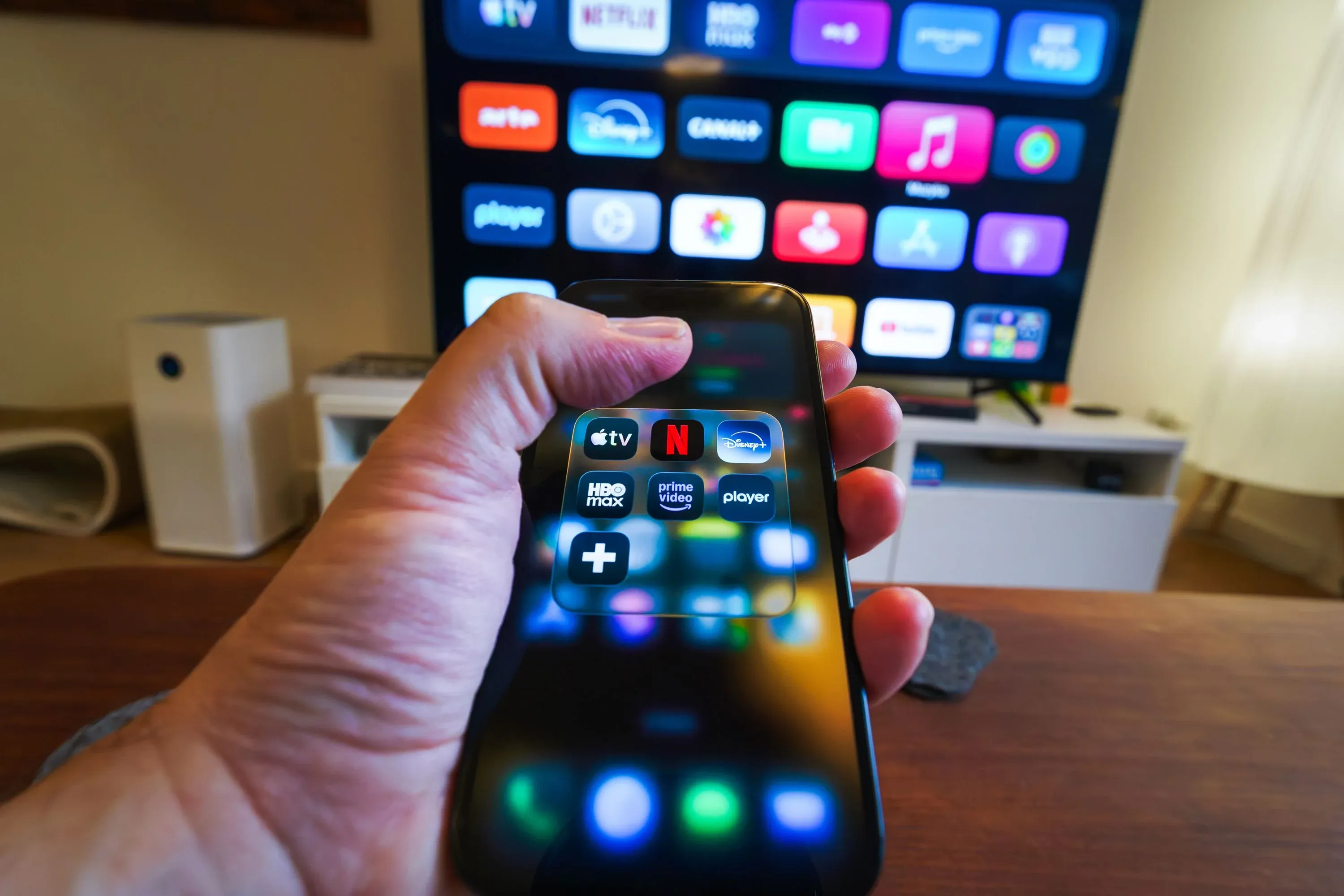
Every robot toy right now falls into one of two categories. It's either screen-free, meaning the entire thing runs through a speaker, microphone, and maybe some buttons. Or it's app-controlled, meaning most of the software and controls live inside a phone or tablet and talk to the robot over Bluetooth. It's a common question parents ask: which one's actually better for their kid, and there's a real answer here. It's just not a one-line answer; it takes a bit of digging into. Primarily, it just depends on what the toy is actually asking the kid to do while they're playing with it.
What Screen-Free Actually Gives a Kid
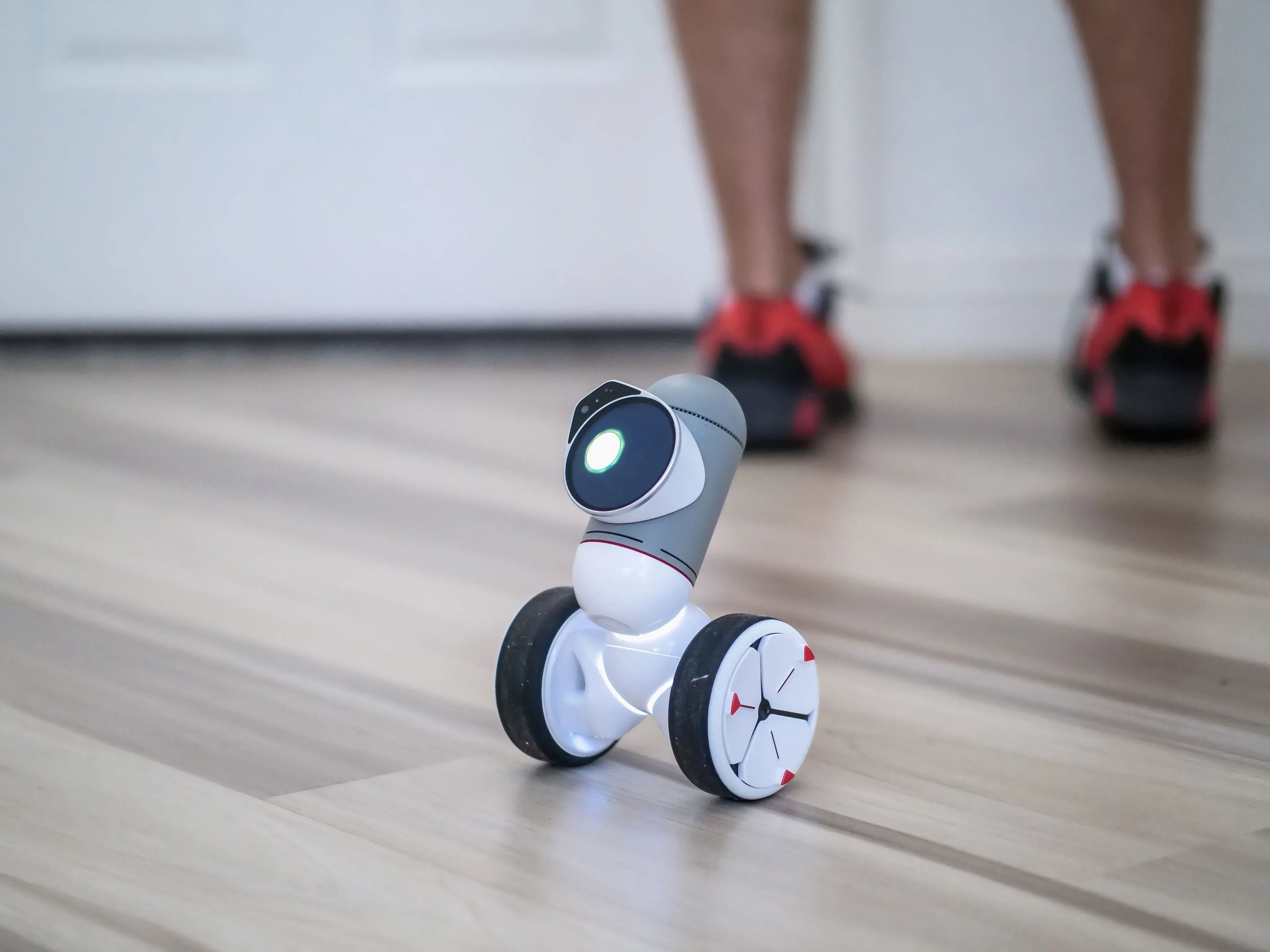
A screen-free toy doesn't have a screen to display a face, or an animation, or any visual feedback beyond maybe a blinking light. It sounds kind of boring, maybe like a big limitation for an AI toy. But in reality, not having a screen can be more interesting than you'd think. When a toy only talks, a kid has more of the imagination work to do themselves. They're not just falling into a neat, preset mold; there's more to think about when a voice is talking to you than when you're just looking at a face. The kids are the ones deciding what the expression looks like, what it's thinking, whether it's happy or bored. It's the same reason kids don't get bored playing with dolls or action figures; it's just what kids have been doing for all of human history, just with a little more of a push.
There's also a simpler, more physical piece of it. A screen-free toy gets held and carried around, dragged into a blanket fort, put next to a kid at night. It behaves like an object a kid can attach to, the same way a teddy bear or stuffed animal would. Screens are designed to pull kids' attention toward them, and some toys end up leaning on that as a kind of crutch. Take the screen away, and the toy just becomes a thing in the room, which means an AI toy actually has to be good enough on its own, through real interaction, to stay interesting to a kid.
What App-Controlled Toys Actually Give a Kid
App-controlled toys trade the imaginative openness of a screen-free toy for the structure and consistency an app gives it. A lot of these toys use their apps to teach actual skills, like basic coding logic and cause and effect. These are skills kids will use for almost their entire educational career, and it builds a real foundation for learning. This can be valuable in ways a screen-free toy just can't match, because a screen-free toy has no way to show a kid what's happening under its own hood.
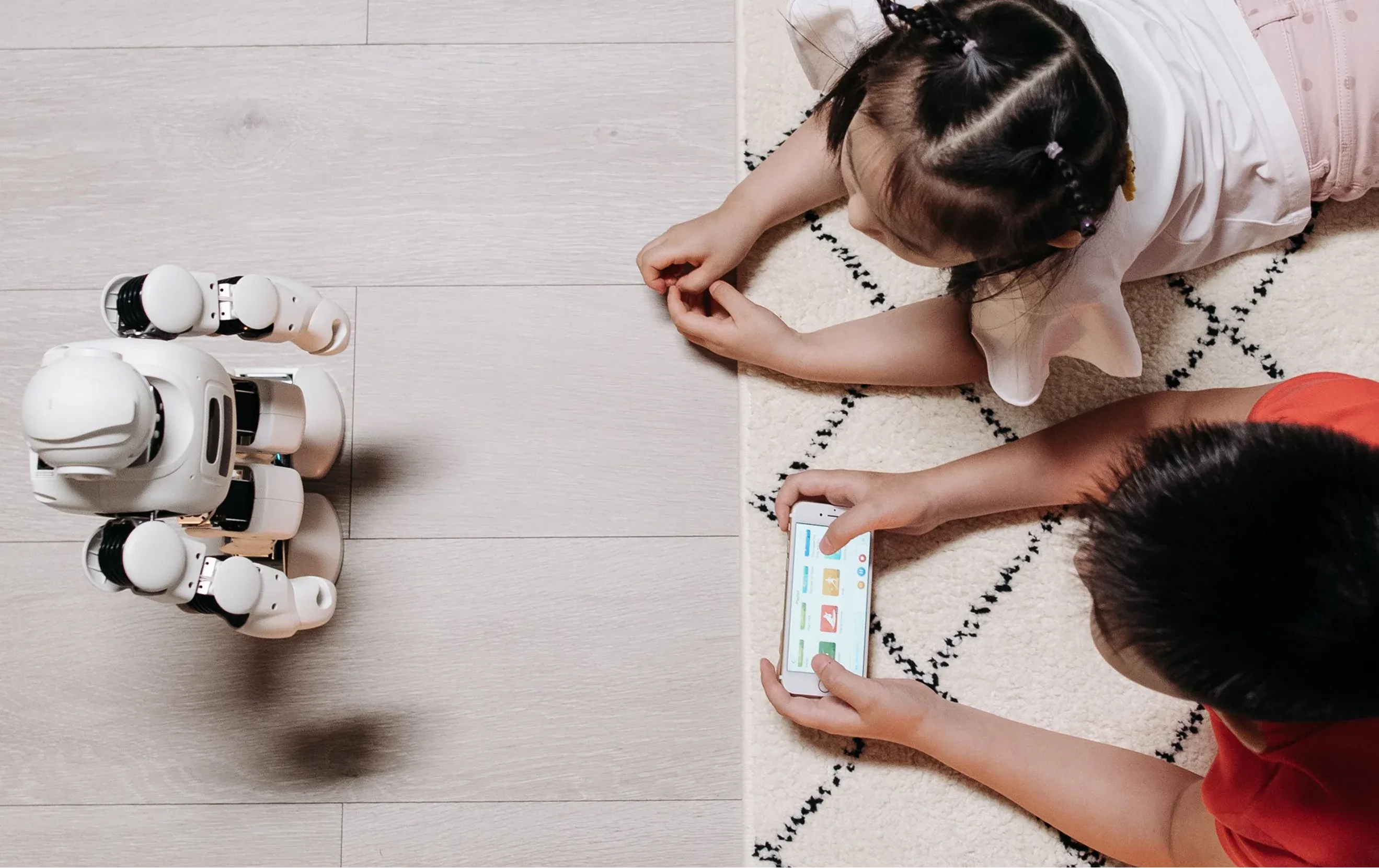
The unfortunate trade-off with app-connected toys is that once there's an app involved, attention gets pulled away from the toy and onto the tablet or phone it's running on. Even the most well-designed, ad-free, kid-safe app is still a screen, and once a kid's looking at a screen to control the toy, you've got them looking at the screen more than the toy itself. That's the whole point of these toys in the first place; you're trying to get away from the screen and have an interactive experience instead of passive media. So that's why some parents dislike app-controlled toys, because it reintroduces the exact problem they were trying to get away from.
Where Age Actually Changes the Answer
For younger kids, especially under age six or seven, most pediatric guidance drifts away from the use of screens. We actually have an entire article that covers the most up-to-date resources on screen time for children. Younger children’s brains don’t learn as well from screens as they do from real-life interactions.
For older kids, the calculation shifts. Kids who are eight or nine can generally handle a lot more screen time. Older kids will also get significantly more value out of an app-based toy that teaches programming concepts, especially if the app is built well. At that age, the risk isn't imagination getting crowded out; it's whether the app is actually designed to teach something or just built to keep a kid engaged.
Conclusion
So which one is actually better for a child, a screenless toy or an app-connected toy? The answer comes down to the age of the child and what they'd actually need the app for.
For younger kids, a screen-free toy is usually better. The interaction is simpler, so it's easier for them to understand, and there's no complicated coding logic getting in the way. For older kids, an app-connected toy is actually better if the software is geared toward education, teaching them something like coding a robot.
So if you're picking a toy for a younger kid, go with screen-free, because it's usually the safer bet. Not because it's trendy right now, but because it's doing what's best for a child developmentally.