Why Interactive Toys Are Better Than Normal Toys
By Curio Team
Playing with toys is vital to a child’s brain development, however not all play is created equal. One child could spend all afternoon playing with a toy and gain very little, or they could spend 30 minutes in conversation and leave with new words and ideas.
Children's brains develop during interaction, not observation, and the difference is actually much more important than what most parents think.
Why Interactive Toys Are Better
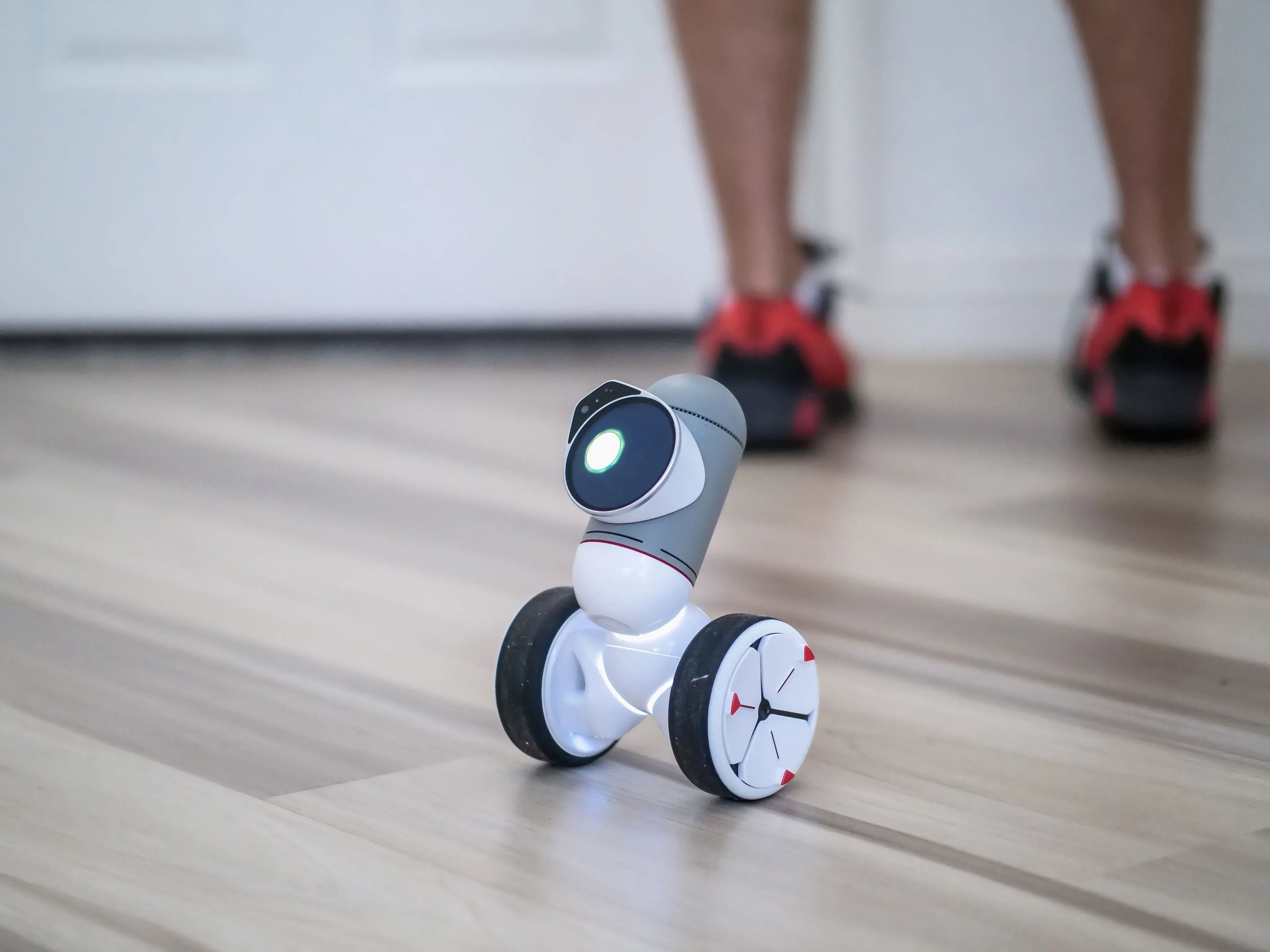
Interactive toys are better precisely because they solve the exact problem regular toys cannot. An AI toy constantly generates new responses, so the brain never reaches the static state it eventually hits with a regular toy. The prefrontal cortex simply stays engaged far longer.
The brain's use-it-or-lose-it principle works in the AI toy's favor here, because the more those neural pathways get used, the stronger they become. Regular toys have a ceiling on the engagement they can provide. Interactive AI toys do not.
How the Brain Builds Language
During early childhood, a child's brain builds millions of connections between brain cells every second. This is faster than at any other point in their life. The brain operates on a use-it-or-lose-it principle, keeping the synapses that get used and pruning the ones that don't.
This means the quality and quantity of stimulation a child receives during these years directly determines which neural pathways survive.
Two Ways to Play
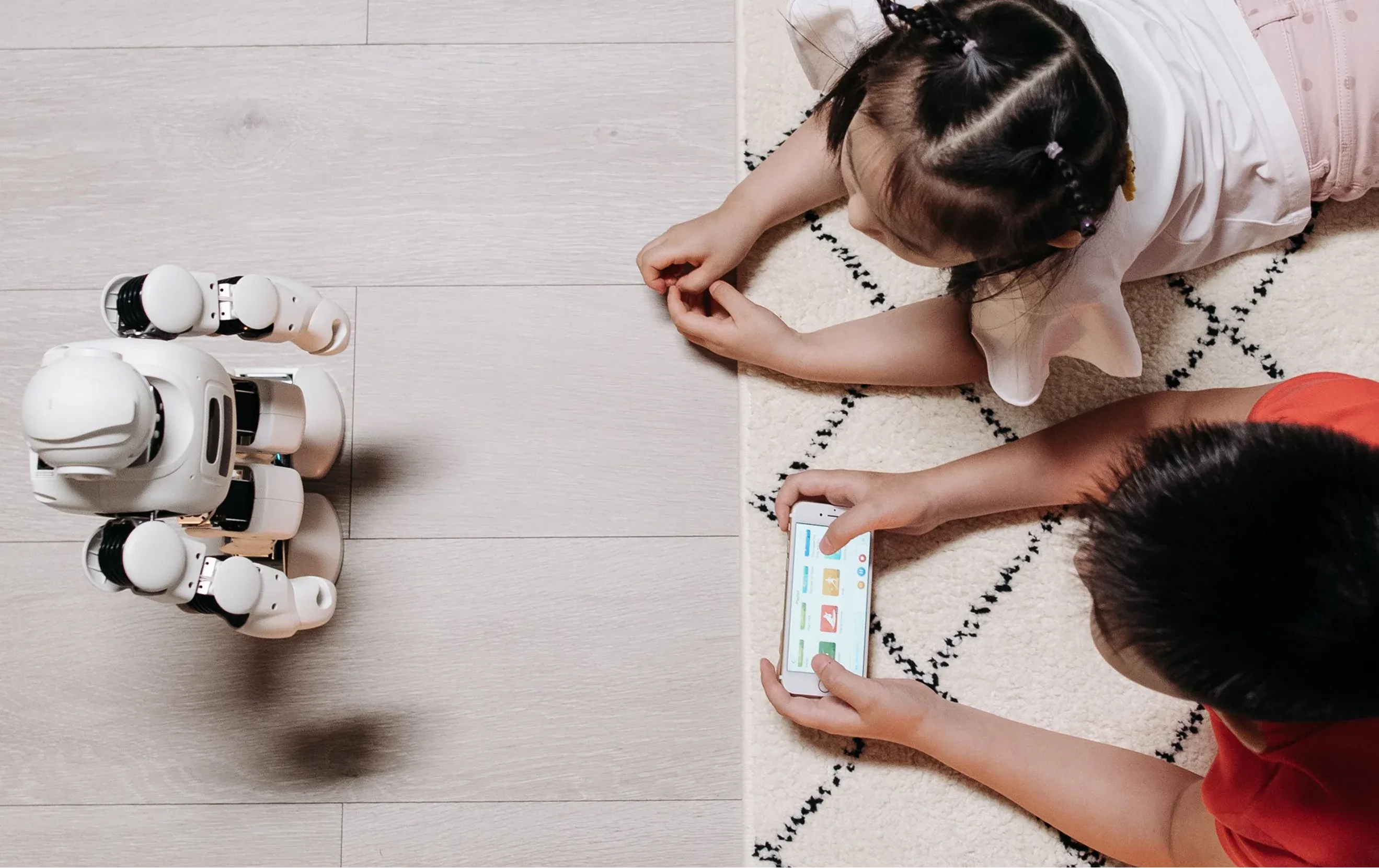
Not all play stimulates the brain equally. A child playing with a stuffed animal and a child having a conversation with an AI toy are having two very different neurological experiences. Here is why that distinction matters.
What Happens in the Brain During Passive Play
When a child plays with a regular toy, the brain is largely on its own. There is no response coming back, no new information to process, and no reason to produce language.
Over time this puts the brain into a low alpha wave state, similar to daydreaming. The synapses that would have fired during a real conversation simply do not get the signal.
What Happens in the Brain During Interactive Play
When a child interacts with an AI toy, the brain is doing something fundamentally different. Every response the toy gives triggers the prefrontal cortex to process new information and formulate a reply, which is the same cognitive loop that fires during human conversation.
When the AI introduces unfamiliar words, Wernicke's area, responsible for language comprehension, and Broca's area, responsible for producing speech, both activate to make sense of it. This is not passive stimulation. The brain is being asked to work, and it responds by building stronger connections.
Why Regular Toys Fall Short
Although interactive toys are more engaging, regular toys actually do stimulate the prefrontal cortex. What is really limiting regular toys is their inability to adapt. For example, if a child reads a book over and over again, their prefrontal cortex stops firing because there are no new words to learn and problems to solve. After a while a regular toy becomes static and the play becomes repetitive and passive.
Conclusion / TL;DR
Parents do not need to choose between a toy their child loves and a toy that actually develops their brain. That is the gap Curio was built to fill. Regular toys served their purpose for generations, but the brain has always needed more than passive play to reach its full potential.
Every conversation a child has with a Curio toy actively stimulates the neural pathways that regular toys cannot reach. Science has always pointed in this direction. Curio was the first to build the toy to match it.
- AI Toys
- Interactive Toys
- AI
- LLM