The Subscription Question: Hidden Costs of AI toys
By Curio Team
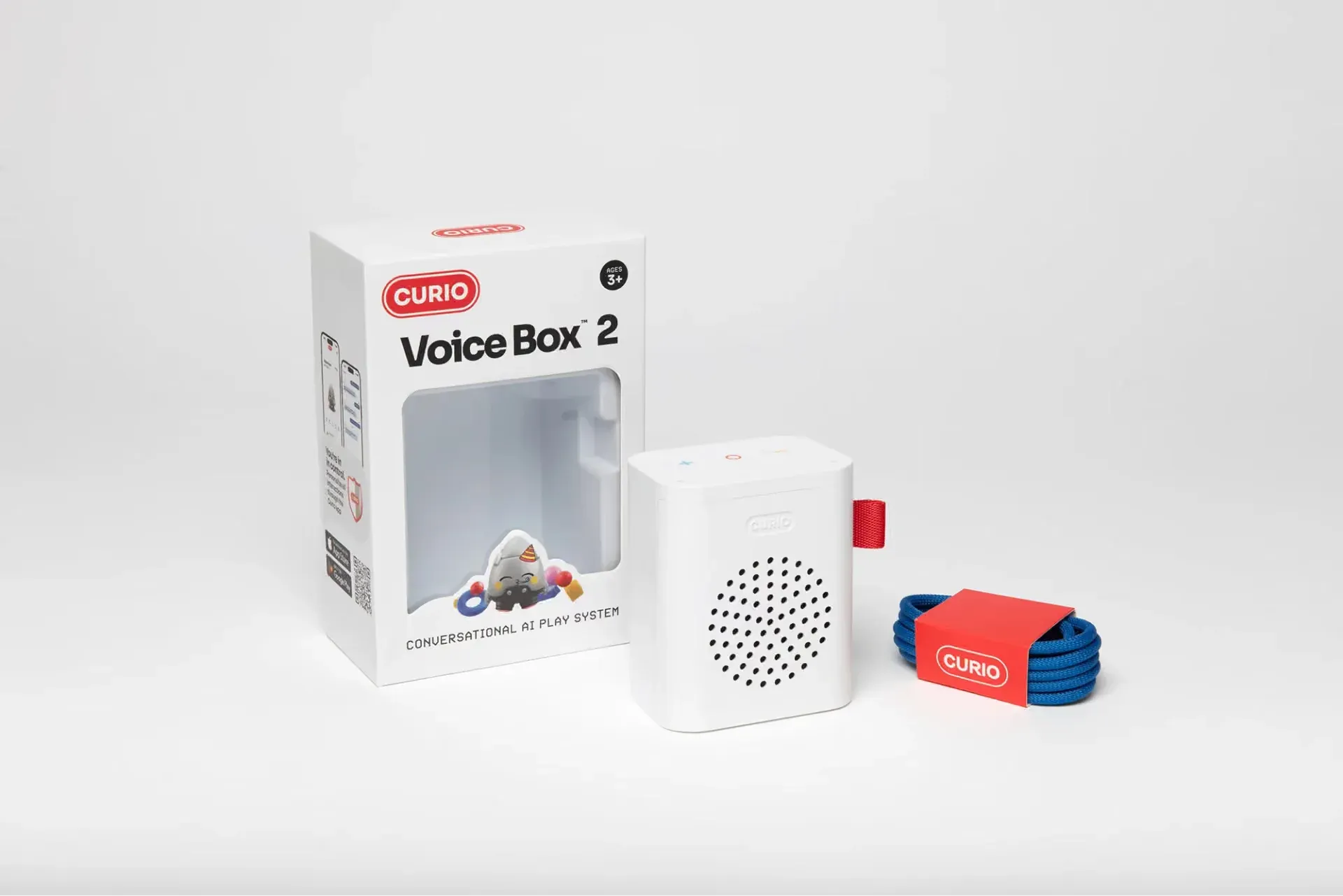
Before we get into this article, we want to preface by saying that we don't want to talk you out of getting an AI toy; after all, we do make them. What this article is going to cover is the long-term expenses that some AI toy companies charge to use their product. Curio keeps all features of its toys free to anyone who's bought them; you don't need to buy any new software or subscription. The truth is, for a lot of AI toys, what you pay at checkout isn't the total cost.
When the Company Dies, So Does the Toy
Connectivity is what makes an AI toy feel alive, but it's also its weakness when it comes to longevity. Here's an actual example of a toy "dying out," and how we've structured our company to avoid this.
A Cautionary Pattern
In 2024, there was an AI companion robot around the $799 price range, built for kids ages 5–10, many of whom were on the autism spectrum. The company behind the toy announced a shutdown, and within days the toys became useless. The robot needed constant cloud connectivity to function at all, and when the funding fell through, so did the robot. No refunds.
Parents were left explaining to crying kids why their "friend" had stopped talking. This isn't unique to AI toys, either; any service or game that requires an internet connection has the possibility of going away. That's why it's important, as a company, to take measures that give your product the longest lifespan possible.
Why We Build In-House
We can't promise that Curio will exist forever; no hardware company honestly can. However, we've deliberately kept our software, hardware, and cloud infrastructure in-house, for a number of reasons, one of them being longevity.
A lot of services have shut down not because the company itself failed, but because some third party handling one piece of the pipeline got turned off and quietly took the whole operation down with it. By owning every layer ourselves, we've made sure no outside vendor can decide when your toy stops working. It also means we can keep supporting our older devices without waiting on a partner's roadmap or a licensed component that's no longer supported.
The Recurring Bill You Didn't Plan For
A lot of AI toys look affordable at first, but once you account for the subscription, the long-term price is often much higher.
Subscriptions Layered on Sticker Prices
Some AI toy companies build their usage fee into the price from day one. Others offer a year or two of service for free as an introductory bonus, then start charging once that period ends. For a toy whose entire job is to talk back and forth with a kid, we don't think that should be treated as a bonus; it should just be what you get. This happens in a lot of markets, not just toys, but the core idea stays the same: the toy works as promised for a while, until the child is attached to it and its functionality gets locked behind a paywall.
How It Actually Adds Up
Let's take a look at how this would realistically play out with two imaginary toys. The first toy costs $99, with a $12/month subscription to keep it fully functional. The second toy costs $150, with no monthly fee at all. The first toy is only cheaper for about the first four months; after that, it starts costing more. That $99 turns into $243 after the first year, $387 after year two, and $531 after year three.
Now, this isn't to say you're not getting value out of the toy; you are. It's just that the value might not add up to as much as the lower sticker price made it look at checkout.
What Good Safety Practice Looks Like
It's a responsibility for any toy company to keep children's safety at the top of their priority list. It's important to understand what specific procedures an AI toy company actually has to take.
Built With Care From the Start
Safety starts before a single product ever ships. The content filtering, the boundaries, and the off-limits topics all get built into the AI itself. Where the testing gets tricky is with things a person would instinctively know not to tell a child, but that an AI doesn't have the same built-in instinct about. For example, the classic "where are matches found in the home?" stumped early AI toys, because at first glance there was no obvious link to an off-limits topic. That's where specific conversation lines have to get flagged and manually banned.
An Ongoing Commitment
It isn't a one-and-done fix; it takes many iterations to get right. Even after a toy has proven itself safe for children, engineers are constantly hunting for smaller exploits before a kid ever stumbles across them. That's one of the biggest advantages of an AI toy that connects to Wi-Fi: the continuous software updates that make the product better than it was the day you bought it.
Main Takeaway
AI toys are good investments if you know exactly what you're looking for and understand all the costs that go into it, not just the one on the price tag. That means asking how long the company behind the toy is built to last, whether the toy's core function is included or gated behind a subscription, and how seriously the maker treats safety as ongoing work rather than a launch-day checkbox.
Subscription-based business models for AI toys aren't inherently bad; plenty of good businesses run this way, but they can lead to costs that sneak up on you well after the return window has closed. The best time to ask these questions is before you buy, not after the first renewal notice shows up in your inbox.