AI Toys Around the World
By Curio Team
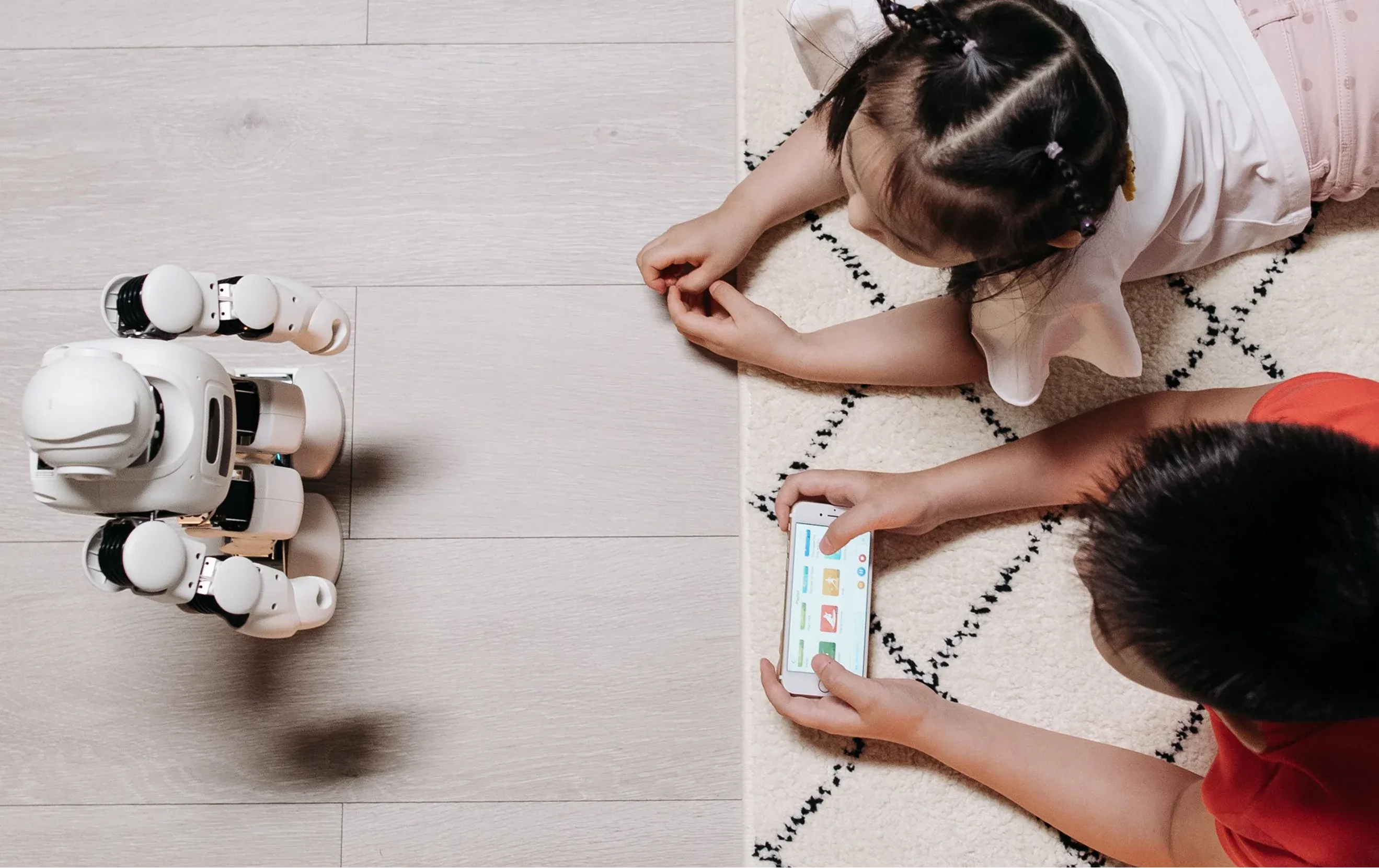
AI toys look different around the world, but it's not just about design. In some countries, adults are significantly more open to AI companions than in others. This blog takes a country-by-country look at how AI toys are developed globally and what these differences reveal about different cultures and their relationship with technology.
China: The World's AI Toy Factory
China has been a leader in electronics for decades, and it's the same story for AI toys. One city in particular stands out: Yiwu. Located in Zhejiang province, Yiwu is home to over 3,000 toy vendors, and more of them are starting to sell AI toys. Yiwu's toy exports rose 11.6% in the first four months of 2026, and local sellers report more overseas buyers asking for AI toys.
One Yiwu toymaker said that her interactive dolls have a repurchase rate of around 70–80%, meaning buyers overseas are coming back for more. While this is just one seller's report, it lines up with what others are seeing. For example, the AOOMII robot cat (an AI-powered toy cat) launched in 2026, got a 5,000-unit Walmart order in its first month, and now ships about 10,000 units a month.
Another Chinese company, Tuya Smart, is also cashing in on the AI toy market, but not in the way you might think. Tuya doesn't just sell toys; it builds the AI features that other toymakers put inside theirs. Its AI companion toy business grew fast in the first half of 2026, and one of its executives gave an interesting insight on the market as a whole. He said many European and American brands now get their AI technology from Chinese suppliers, or have them make the finished product.
This feeds into the idea that American toy companies may be outsourcing a lot of their tech to China, which helps Chinese companies but also makes the U.S. toy market more reliant on foreign suppliers.
Made for Every Language
While many AI toys come out of China, not all of them are speaking Chinese or English. Another Yiwu toy designer made Arabic-speaking smart dolls for the Middle East, and about 70% of her recent orders came from that region. Yiwu, as a city, is also extremely fast at developing and producing toys. They can take a concept and start production in as little as a day. Most AI toys speak English, but now we're getting toys that can actually speak other children's native languages.
Japan: Raising a Robot Pet
Japan has always been in the robot toy business, from tin wind-up robots to Tamagotchi. Today it's still going strong, but without as big of a production capacity as China, it has to get smart.
Casio (yes, the watch and calculator maker) came out with its own AI companion, Moflin. It's definitely one of the most interesting AI toys out there for two main reasons: its design and its demographic. Its design is unique because it's essentially a fluffball that can make noises and move, but what really makes it unique is its personality. Moflin can develop over 4 million personality traits depending on how it's treated, sort of a callback to Tamagotchi. All that tech does come with a big price tag of around $400.
The other interesting thing about Moflin is its demographic. Some of its biggest fans are actually women in their late 30s and 40s. For them, it's less of a toy and more of a companion they get to take care of.
South Korea: AI Dolls for Grandparents
Speaking of older customers for AI toys, South Korea has an AI companion built specifically for older people. Hyodol (which is named after the Confucian value of caring for your elders) is an AI companion designed to support elder care, and it takes the form of a 7-year-old grandchild. The toy talks in a cheery voice powered by ChatGPT and reminds its owner to take their medicine or eat. It also uses sensors to keep an eye on its owner and can alert social workers or family during an emergency.
One wholesome moment from Korea is a grandmother who calls her Hyodol her "lovely granddaughter." It's a sweet reminder that the same technology that entertains kids can also make older people feel less alone.
The United States: A Careful Customer
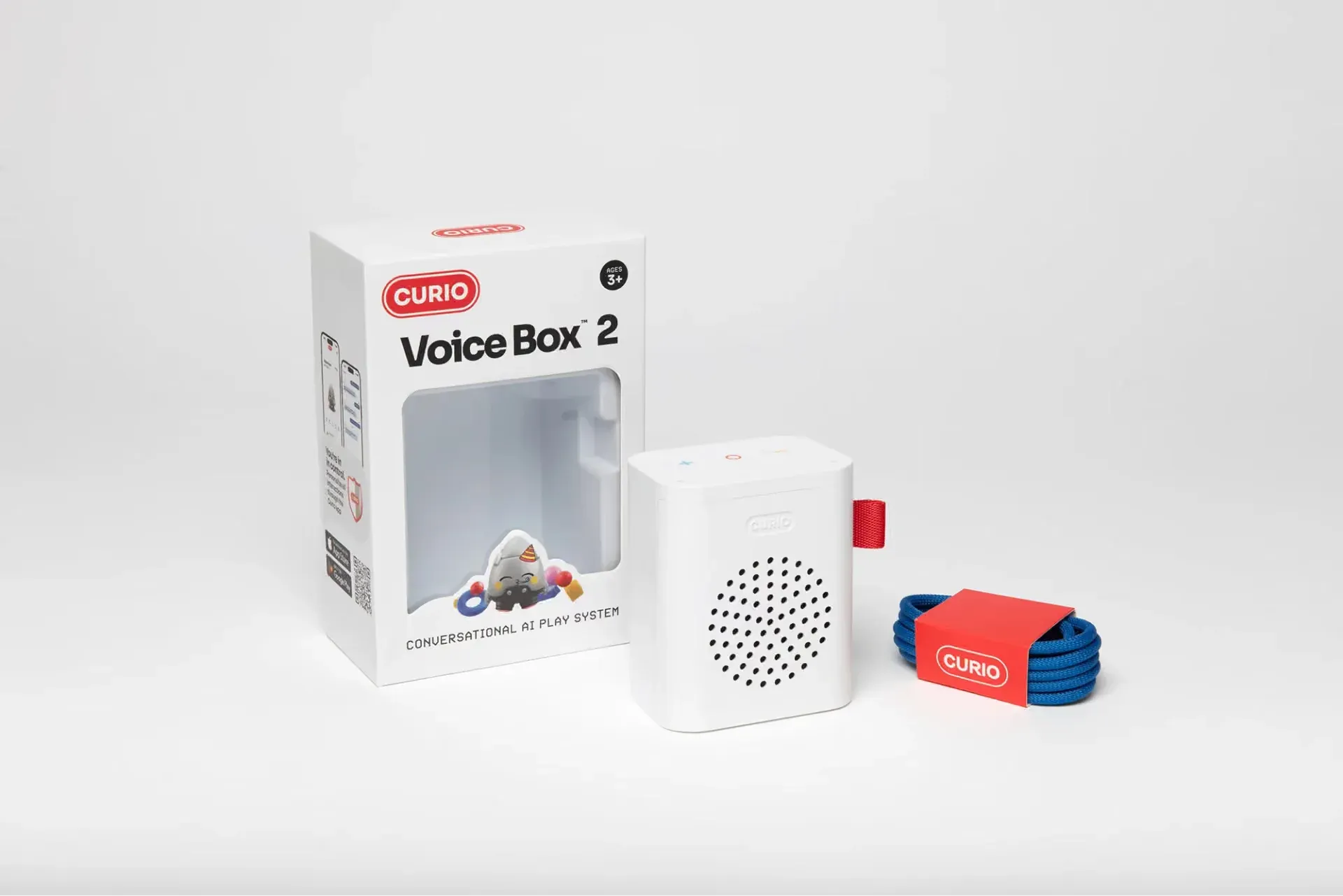
The United States is mostly a buyer's market, with a small amount of local research and retail (like Curio). Walmart is already selling AI toys, like the AOOMII robot cat we mentioned earlier, and a lot of American brands are getting their AI tech from overseas suppliers.
Large American toy companies are taking it slower, partly because of growing concerns around AI and kids. As we mentioned in our pillar article, Mattel (the Barbie and Hot Wheels people) announced a partnership with OpenAI in June 2025. The company missed its goal of announcing a product that year. It says it sees AI as something that adds to traditional play, not something that replaces it. A lot of American parents are curious about AI toys, but they want to know how their children's data is being handled.
Conclusion/TL;DR
What do AI toys look like around the world? It depends on where you live. In China, they're mass-producing them and shipping them all around the world. In Japan, they're turning them into pets you raise (similar to Tamagotchi). In South Korea, they're using them in elder care, and the U.S. is taking a slow, careful approach. The main takeaway is that AI toys are being adopted all around the world at different rates and for different reasons.
Sources:
Title: "Chinese AI toys grab surging overseas orders"
Source: Global Times, June 2026
Link:
https://www.globaltimes.cn/page/202606/1362499.shtml
Title: "Shenzhen's Huaqiangbei drives China's AI export boom"
Source: Global Times, August 2026
Link:
https://www.globaltimes.cn/page/202608/1367705.shtml
Source: Xinhua, April 2025
Link: https://english.news.cn/20250415/121df5baae2742bf9fca814ae26c8093/c.html
Title: "Moflin, an Adorable, $400 AI Robot Pet, Is Selling Out in Japan"
Source: Tokyo Weekender, August 2025
Title: "Hyodol AI robots ease loneliness for South Korea's seniors"
Source: Rest of World, 2025
Link: https://restofworld.org/2025/korea-ai-robot-senior-care-hyodol/
Title: "Scoop: Mattel's collaboration with OpenAI won't emerge this year"
Source: Axios, December 2025
Link: https://www.axios.com/2025/12/15/mattel-openai-toys-kids