How AI Storytelling Toys Are Changing the Way Kids Learn
By Curio Team
It's an iconic family scene, a parent reading to a child in bed. But could that soon be changing? Modern AI storytelling toys are capable of so much more than we might expect. So will they be replacing parents when it comes to storytelling? Likely not anytime soon, but for some families, they could change everything.
Why Storytelling Matters in Early Childhood
Being read to as a child is one of the most impactful learning experiences of your life. It lays the groundwork for language acquisition and listening skills by hearing words in context within a story.
Following along also strengthens memory, as a child must hold details from earlier in the story to make sense of what comes next. Storytelling is where early literacy and reading readiness first begin to grow, starting with being read to, and eventually leading a child to pick up a book on their own. And perhaps most overlooked is curiosity. Children naturally encounter things in stories that make them wonder, sparking questions that open the door to even deeper learning.
The Traditional Parent Role in Storytelling
The parent's role in early childhood education goes beyond just the educational value, it also offers culture. When parents sit down with their child they don't only open a book, they can also recount their own memories and history. For thousands of years history was told through stories to their children and family members, this is where children begin to form a sense of identity.
Additionally folklore and fairytales have been used to show ethics. They do this by sharing a narrative of a character who faces challenges, but ends up choosing the morally correct path. Another unique advantage that parents have is that children end up getting their accent, because children naturally mimic the way they hear the words. Parents are irreplaceable in a child's life.
How AI Toys Are Changing the Experience
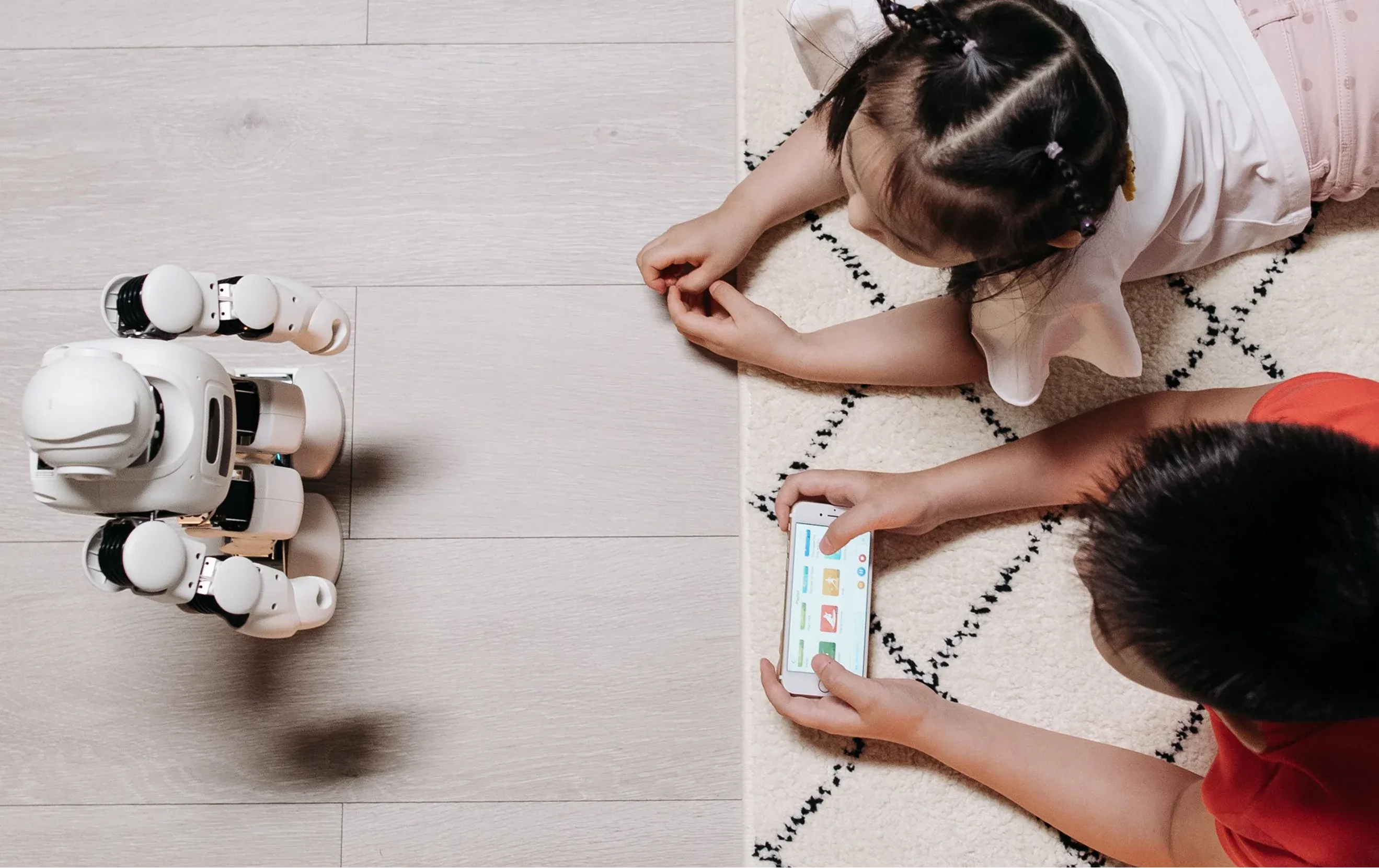
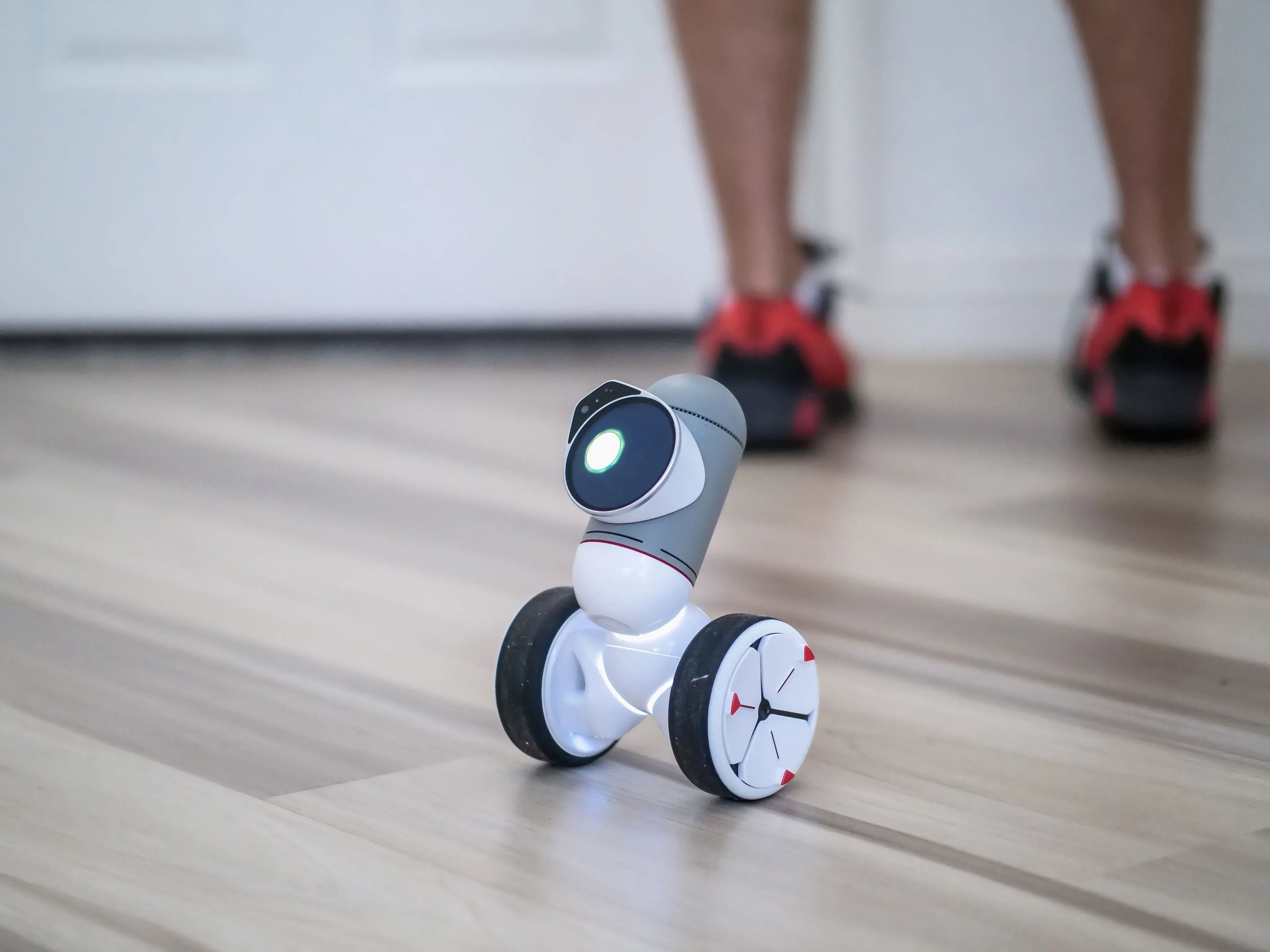
AI toys have entered the stage and with all their impressive features they go beyond the regular limits of a toy. AI toys are capable of open-ended conversation, which often is in the form of storytelling.
These stories often include personalization and can cover topics children are actually interested in. The main advantage is that, just like parents, these toys are now capable of responding mid-story just like an adult would. This reinforces the conversational aspect of storytelling itself. Parents often choose conversational toys like Curio's because they don't rely on a screen like a lot of other AI toys do. This helps to keep the magic alive, and these toys often enhance a child's pre-existing curiosity.
The Real Advantages of AI Storytelling Toys
When it comes to storytelling itself, AI toys do have certain advantages over humans. Unlike parents, AI toys have infinite patience and don't mind repeating things over and over again. In the same way, AI toys are always available as long as their battery is charged. That availability is one of the reasons why busy parents are turning to AI toys for screenless, educational playtime. Certain studies have also shown that kids are more willing to open up to an AI toy than to an adult, which can be a huge advantage for parents with shyer kids.
Current Limitations with AI Storytelling
Although AI toys offer huge advantages to certain families, the technology is still developing. The biggest edge a parent has over a toy is the emotional and cultural bond. AI simply cannot comprehend human emotions or convey memories the way a human does. Current AI toys also struggle with response time. A child's voice must first be picked up, turned into a transcript, processed by the AI, and finally sent back as spoken audio. This can often take 2 or 3 seconds, which is far longer than a parent would take. Another limitation is that AI can't always understand what a child is saying, as young children often mumble or don't speak in complete words.
What the Future of AI Storytelling Could Look Like
AI storytelling is still in its early stages. LLMs and the AI that powers these toys have only been around for a few years, and the technology is advancing fast. The shortcomings of today's AI toys will likely be minimized significantly in the near future. For example, where a toy might take a few seconds to respond now, future versions could make that feel seamless, much more like a natural conversation.
Conclusion
There will never be a true replacement for a parent, and reading to your child will always matter. However, AI toys are genuinely useful tools, and they are quickly becoming the future of play. They are constantly evolving, getting significantly better with each passing year. For families who embrace them early, they may end up becoming one of the most valuable tools in early childhood development.