Can AI Toys Improve Communication Skills in Autistic Children?
By Curio Team
Autistic children have been building social and communication skills for decades, long before the word AI was even floating around. The question now is whether a toy that talks will change the process, or should we stick to the old ways?
The research we'll be going over today isn't a single study but a systematic review, where researchers went through everything already published to see what evidence there is on play-based social communication interventions. It wasn't about AI toys; it was about play in general, inside real classrooms and schools. But it does give us a useful baseline and insight for thinking about where AI toys could fit, and where the evidence just isn't there yet.
The Goal of The Study
Autistic children face communication difficulties in their own way, but a lot of therapy and classroom support ends up around the same question: can play actually teach social and communication skills, or is that something kids do while real learning happens elsewhere? Researchers Christina O'Keeffe and Sinead McNally, from Dublin City University in Ireland, set out to answer this question by reviewing existing research.
They searched through many academic databases for studies looking at research on autistic kids, done strictly in an educational environment, whether that be classrooms, special schools, or playgrounds. They specifically excluded research done outside those settings. After searching, they found over a thousand candidate studies, but after narrowing the scope of the search, they found 29 that used play as a form of intervention for autistic children. However, only 9 of the 29 had play as the main driver of the intervention, rather than one part of a larger intervention process. Those 9 studies are what the review stands on, essentially.
Across all nine studies, there were 107 autistic kids, ages 3 to around 13, and they all received some form of play-based intervention. The studies included multiple different types of interventions, some pretend play, some digital, some structured games. Studies ranged from daily five-minute sessions to less often 45-minute ones, over a period ranging anywhere from 2 to 34 weeks. It's safe to say multiple different types of strategies were used across the studies, so we can feel confident it was varied enough.
The Results
Thankfully, and unsurprisingly, none of the nine studies came back with negative results. Three showed clearly positive results across every participant and every measure; however, the rest were mixed, meaning some people improved and others didn't improve at all. Although in a normal study that may seem surprising, autism presents itself differently across many different children.
Now, the results sound good on the surface, but they were tempered once the researchers did some grading. Of the nine studies, they were compared against standards for autism research, and most of the results came back weak, with the remainder found to be adequate. None of the results came back strong. Small sample sizes, limited follow-up after the intervention ended, and inconsistent reporting made the entire situation harder to get a grasp on.
Although that weakened the results, the reviewers did not throw them out. Using a qualifications list, they searched for what actually counted as promising evidence. Provided there was enough evidence from different studies, from different research teams, in different locations, they concluded that play-based interventions cleared that threshold. In the researchers' own words, they said it was promising evidence, but not proof yet. And one more thing: none of the studies used an AI or a robot; every single play session was done with a teacher, a therapist, or a researcher.
What Does This Mean For AI toys?
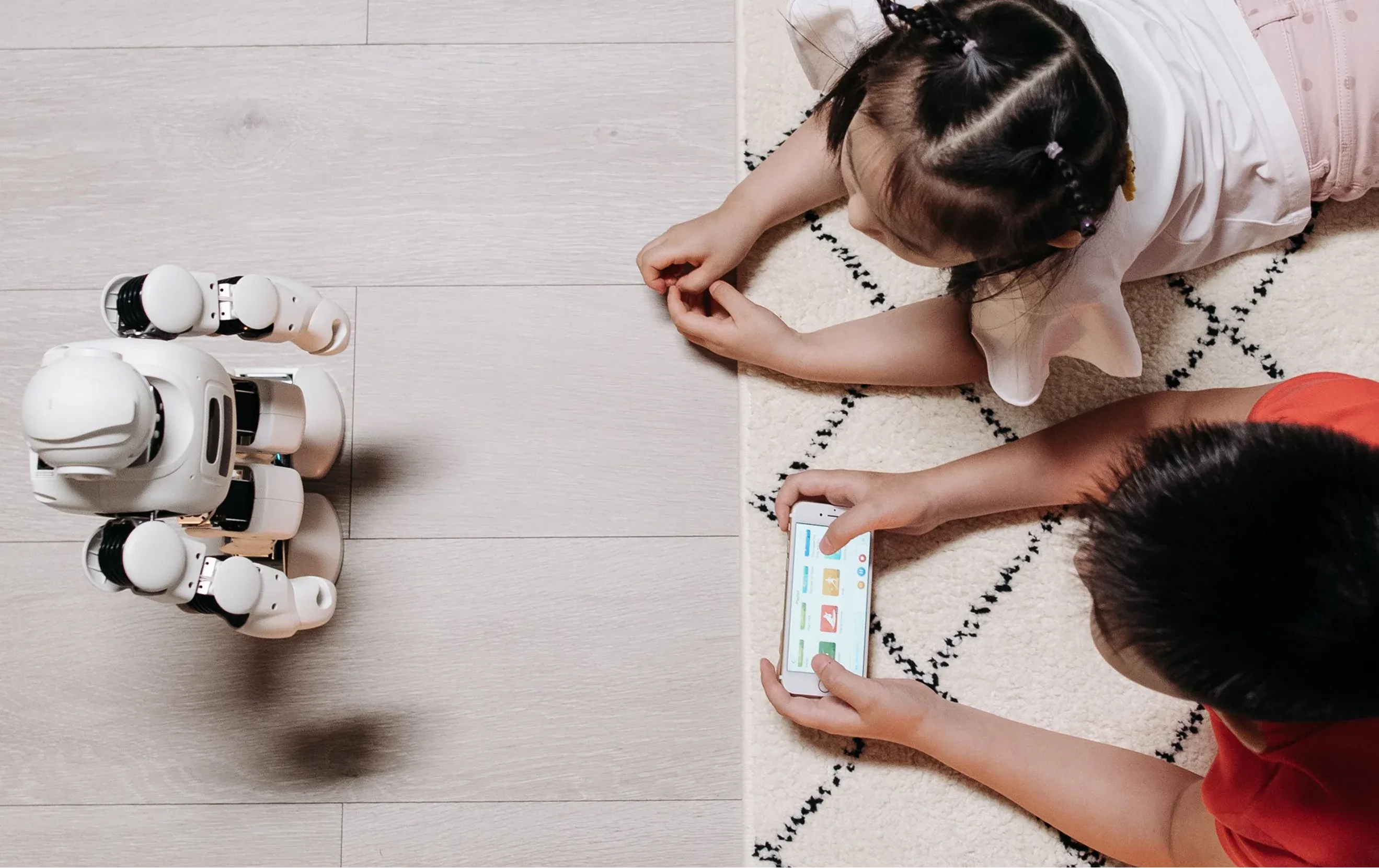
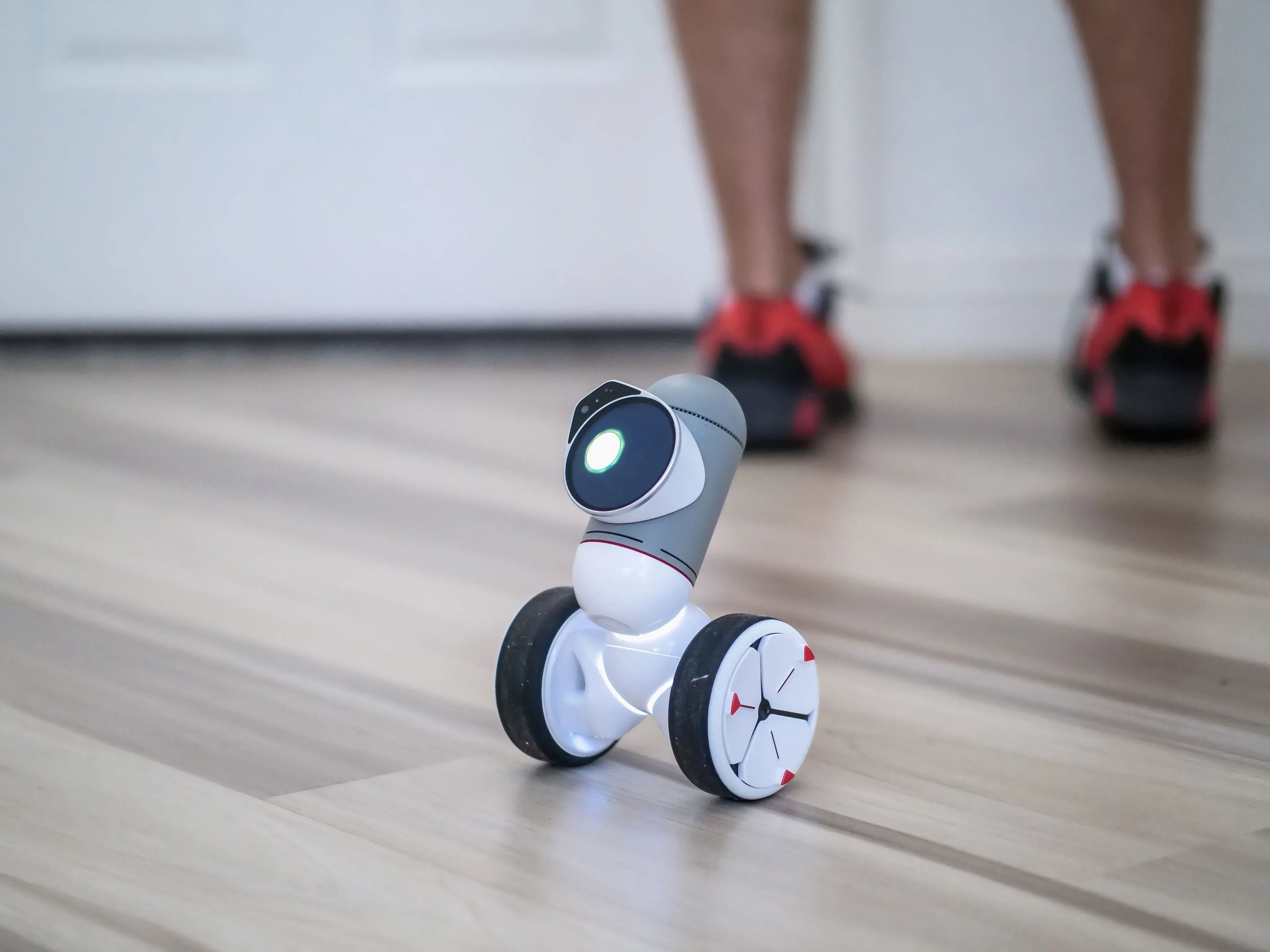
The reviewers never monitored AI toys or an AI chatbot in any of these sessions; every intervention had a real person on the other side. That being said, considering how fast AI toys and AI itself have advanced, it raises the question of how they'd actually hold up in situations like these. Most of the interventions followed a structure that AI toys happen to replicate: a back-and-forth response. That's actually close to what a conversational AI toy was built to do: a turn-taking rhythm between toy and child.
Where it gets cloudy is that everything here came with the structure of actual research, and there was either a teacher, researcher, or parent in all these situations, with a hypothesis and a plan in mind. AI has a plan too, but it generates that plan based on a large language model. It also doesn't have the empathy or body-language-reading skills that a human would have. An AI toy can hold up its end of the exchange; it can say a response in a voice, but right now it isn't as responsive as a human partner reading a child's body language in real time. That's where it leaves the question the review doesn't answer: the structure might be the part that's making this entire thing work, meaning humans might be fundamentally entwined in the research itself.
One Caveat
Putting this plainly: AI toys are not therapy; they're not a stand-in for a speech therapist or real interventions. The studies in this review were run by trained adults using strategies they designed, not a device left on its own. At the end of the day, an AI toy's main goal is to entertain a child, and any back-and-forth speech practice it offers is a bonus, not a treatment.
Being Honest About What We Don’t Know
While we aren't going to pretend that this review proves anything related to AI toys, it does show promising evidence around guided play helping autistic kids build social communication skills. That is genuinely a good sign for anyone building or using a toy centered on back-and-forth conversation, even without a study built specifically around AI.
Conclusion/TL;DR
So unfortunately, this blog also lands on a question, which happens a lot because there isn't enough research around actual AI toys, especially with autistic children. But if the review proves anything, it's that play is very important to an autistic child's development, and structured back-and-forth interaction does work in an intervention environment. The real question is: does this back-and-forth extend to AI toys, or does it have to be done with a human?
Curious what AI toys can actually do?
See what AI toys are capable of →
Sources:
Title: "A Systematic Review of Play-Based Interventions Targeting the Social Communication Skills of Children with Autism Spectrum Disorder in Educational Contexts"
Authors: Christina O'Keeffe, Sinead McNally
Source: Review Journal of Autism and Developmental Disorders, Vol. 10, Issue 1, pp. 51–81 (2023)
DOI: https://doi.org/10.1007/s40489-021-00286-3
Institution: Dublin City University (Ireland)