Best AI Toys by Age Group
By Curio Team
Before a single toy hits the shelf, people are already standing in boardrooms deciding who it's for. AI toys are no different. From toddlers to teens, they're built to suit specific age groups. But which ones are actually worth it? That's exactly what this article sets out to answer.
Why Age Groups Matter
Not all AI toys are built the same, and age matters more than most parents realise. A toy that's too advanced will frustrate a young child, while one that's too simple will bore an older one. Children grow fast, and the gap between a three year old and a nine year old is enormous in terms of language, cognitive ability and emotional readiness.
AI toys are built around interaction, conversation and challenge, and all of that needs to match where your child actually is to be effective. Get it right and your child stays engaged, learns naturally and genuinely enjoys the experience. Get it wrong and you've got an expensive toy collecting dust. Here is a breakdown of what to look for at each stage so you can find the right fit for your child.
Ages 0-2: Babies and Toddlers
During this stage children often cannot speak yet, so voice interaction should be kept to a minimum. Toys work best when they are limited to light and touch interaction, things a very small child can actually engage with. Being completely honest, AI toys are not really necessary at this age as children will get very little out of them compared to what is available at later stages.
What to Look For
- Traditional toys
- Simple light and sound toys
- Toys with gentle voice interaction or lullabies
Ages 3-5: Preschool
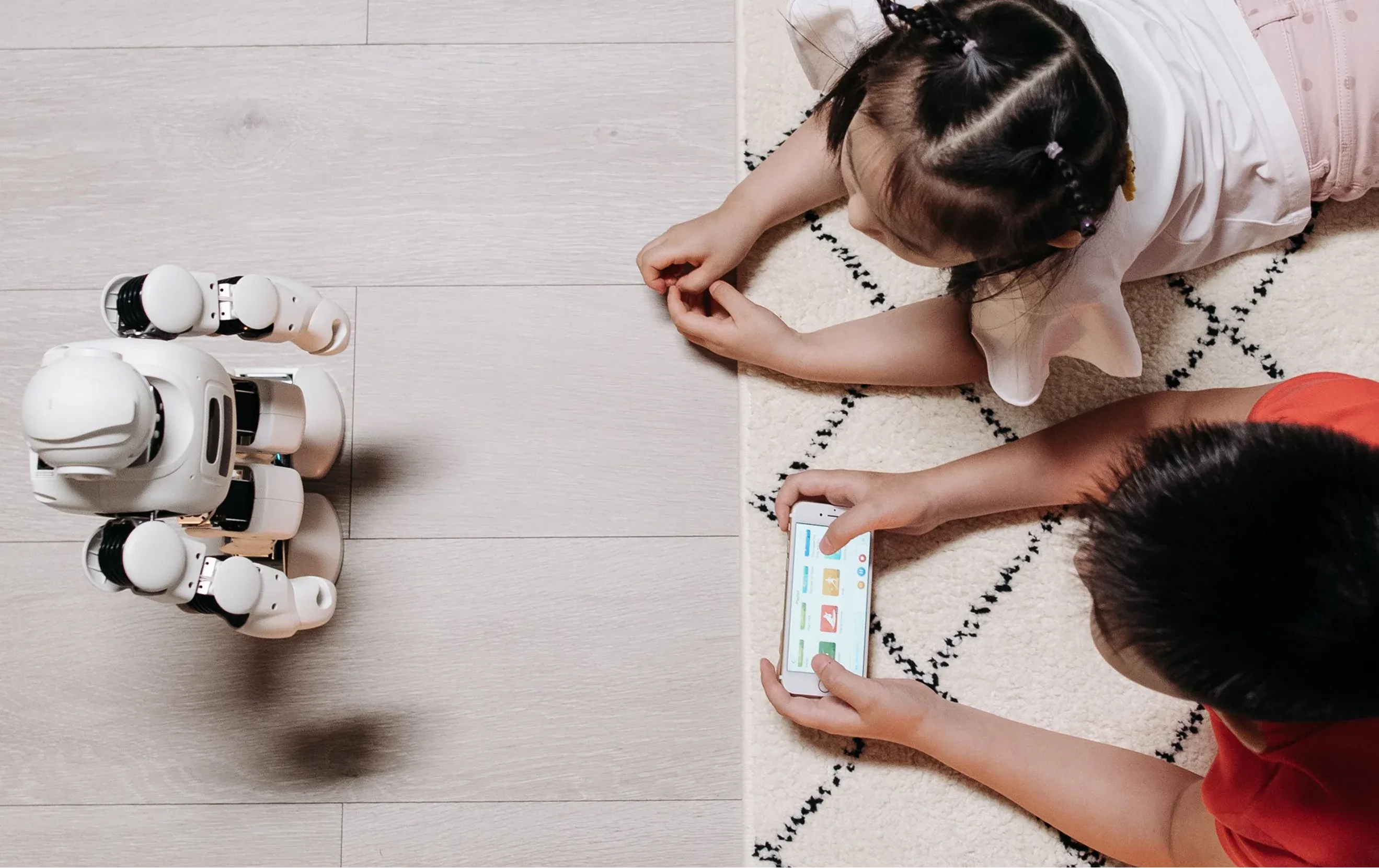
This is the perfect age to buy an AI toy. Imagination, storytelling and language development are all taking off at this stage, which means children get to experience the full benefit of what personalised AI toys have to offer. The companionship that AI toys provide genuinely resonates at this age in a way it does not at any other. Children learn the majority of their social skills through play at this stage, making toys like Curio's lineup a natural fit.
What To Look For
- AI Storytelling Toys
- Interactive plushes
- Toys that sing, tell stories and ask simple questions
Ages 6-8: Early School Age
At this age, children are developing logic and beginning to build their problem solving skills. It is important to give them an AI toy that can keep up with this growth. Professor Linus, part of Curio's lineup, is a great example of this, specifically designed to help children work through problems whether that is homework or everyday curiosity. Children want to feel capable and challenged at this age, and they lose interest quickly in anything that feels too easy.
What To Look For
- App connected learning toys
- Early coding and robotics toys
- Interactive toys that respond to voice commands and questions
Ages 9-11: Tweens
This is where children take their first real steps towards autonomy. The line between toys and tools starts to blur at this age, and children begin using AI to assist them rather than just play with it. They are developing critical thinking skills and will push back on anything that feels too babyish. Most products in this space are marketed as tools rather than toys, and for good reason, it lands much better with this age group.
What To Look For
- Programmable robotics kits
- AI building and coding kits
- App connected toys with customisation options
Ages 12+: Teens
This is where the transition between toys and tools is in full effect. The novelty of AI toys is almost completely gone at this age and teens start to use AI to assist them in real ways. As a parent, looking into AI art software or AI programming tools is a great way to further your child's education. They want to feel like they are doing something meaningful, not just playing with a toy.
What To Look For
- Advanced robotics and engineering kits
- AI programming tools and platforms
- Creative AI tools for music, art and design
Conclusion
When it comes to buying an AI toy, everything stems from age. Whether it is a toddler or a teen, the features differ drastically, which affects the experience for both. So if there is one thing to take away from this article, it is that you must match the toy to the child's age first, then look at your options. The space is always evolving and becoming more advanced every day, so as a parent you should feel hopeful about what is available for your child now and what is coming next.
- AI Toys
- Age groups
- AI Toys for Kids