Are AI Toys Just a Trend, or Here to Stay?
By Curio Team
Before buying an AI toy, most parents ask the same question: is this just another fidget spinner, gone in a year? It's a fair thing to wonder. Plenty of "smart" toys have come and gone, with support quietly ending a year or two after launch. But AI toys aren't quite the same category as the smart toys that came before them, and the reasons why are worth walking through.
Why Some Parents Think It's a Fad
Being cautious about a new toy craze isn't overthinking it, it's just smart. Fidget spinners, pogs, Beanie Babies: all of them had a moment, and all of them faded within a few years. Tech moves fast, and toys built around trends tend to move just as fast on the way out.
There's also a quieter kind of hesitation at play. Parents already carry some guilt around screen time, and even though an AI toy isn't a screen, that same "too much tech" feeling tends to bleed over. On top of that, nobody wants one more device to charge, or another gadget that gets ignored within a week because a past purchase already didn't land with their kid.
What's Actually Different This Time
It's easy to assume an AI toy company would say AI toys aren't a fad; of course we would. And to be fair, they could still turn out to be one. But before landing on that conclusion, it's worth looking at what actually sets this category apart.
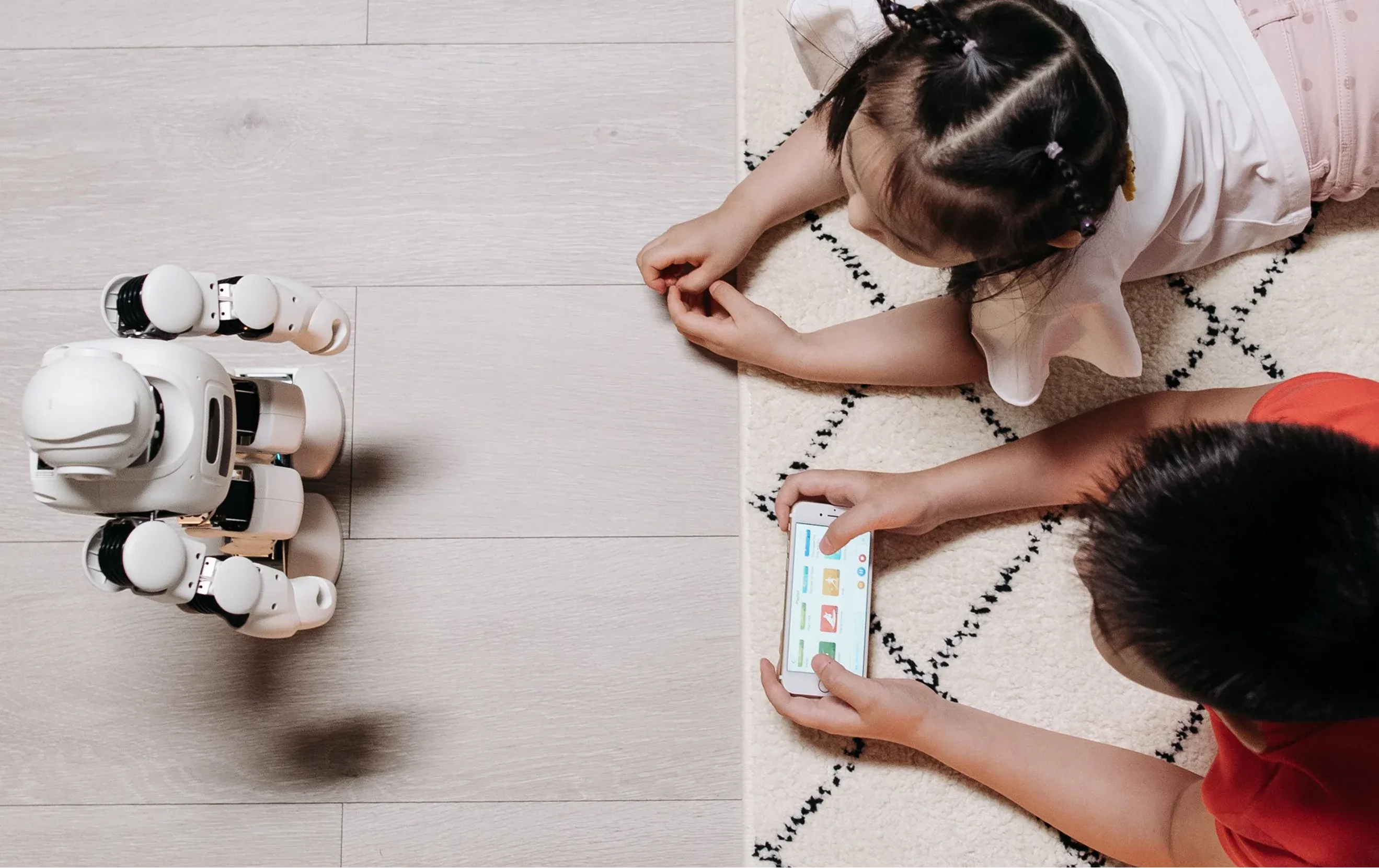
The behavior already exists. Kids talking to Siri or Alexa isn't new, and for a lot of kids it's already routine: asking for the weather, telling a joke, asking a question out loud instead of typing it. Fads usually ask people to pick up something brand new. This is closer to an extension of a habit that's already there.
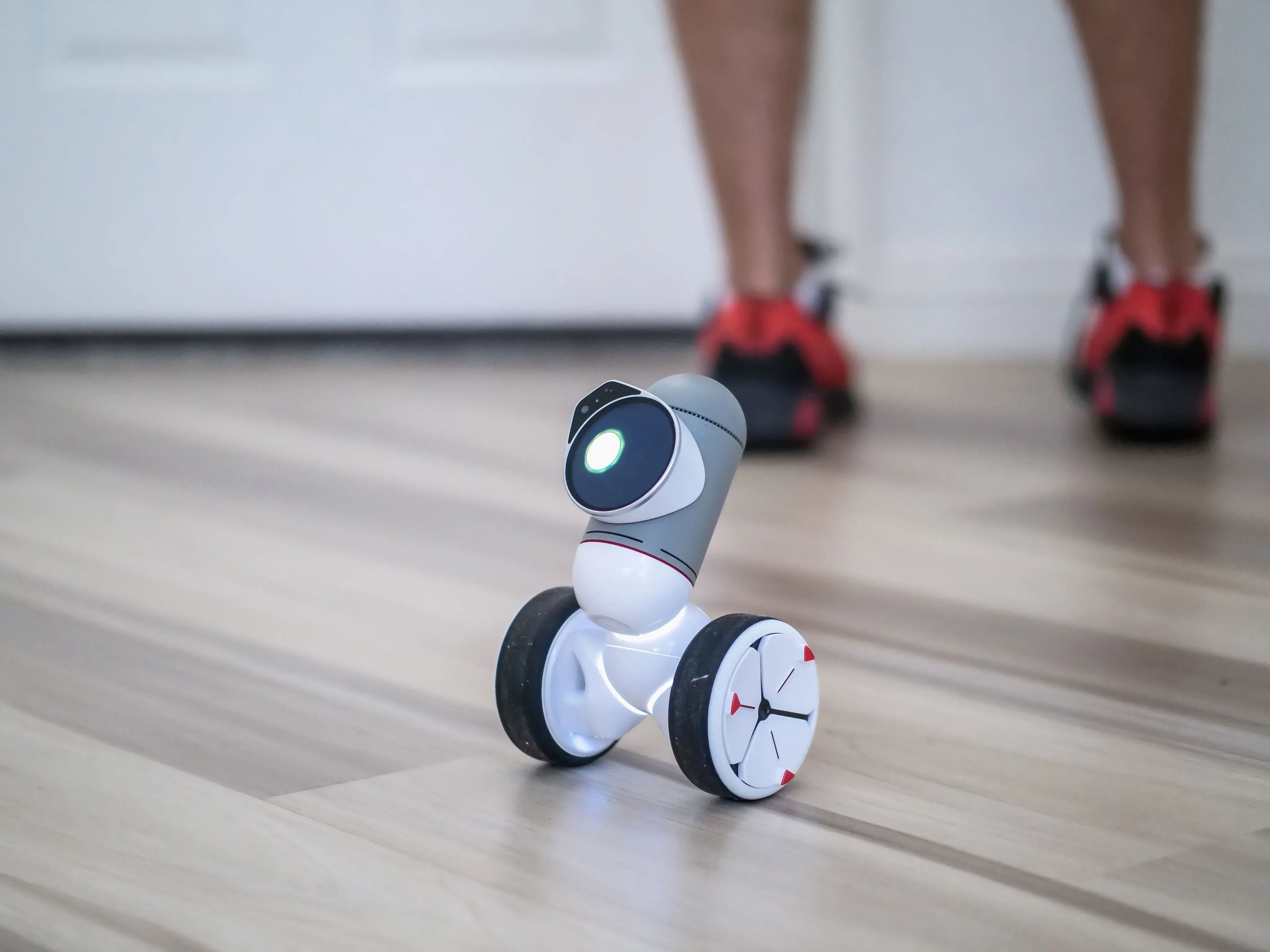
It isn't built on novelty. Novelty toys run on a "look at this" moment; everyone tries it because it's the thing to have, and then it fades once the next thing shows up. AI toys are built around something that doesn't wear off the same way: a sense of companionship, plus real functionality like learning support and personalization. Function tends to outlast novelty.
AI is showing up everywhere, not just in toys. Kids are already encountering AI in classrooms, in therapy settings, and in educational software. If AI is becoming a normal part of daily life across the board, it would be strange for the toy aisle to be the exception.
Individual products will still churn. This part matters for honesty: we're not claiming every AI toy on shelves today will still be around in five years. Specific products will come and go the way they always have. What's different is the underlying category, AI in toys, which looks a lot more durable than any single product built on it.
What Would Make AI Toys Stick Around Long-Term
AI toys aren't perfect yet, but the weak spots are the ones getting the most attention right now.
Closing the safety gap. COPPA compliance isn't a nice-to-have anymore; it's the baseline. Public scrutiny pushed the industry to take privacy seriously, and that pressure is working. Parents want a toy that's upfront about what it collects and why, not something buried behind a policy page nobody reads.
Real developmental benefit. Language development is one of the clearest areas where AI toys are already showing results, and it's a skill that matters most in exactly the age range these toys are marketed to. If that trend holds, it's not hard to imagine AI toys finding a real place in learning environments, not just playrooms.
Better value over time. AI toys are getting cheaper to produce, and the higher-end options are getting noticeably more capable without their prices climbing to match. That combination, better tech at a steady price, is usually a sign a category is maturing, not fading.
Conclusion
So, are AI toys just a trend? Probably not. The category looks like it's here to stay, and it's likely to keep getting more capable as time goes on. That doesn't mean rushing to buy the first one you see, but don't be surprised if AI shows up in more toys, not fewer, in the years ahead. Thanks for reading, and as always, stay curious.