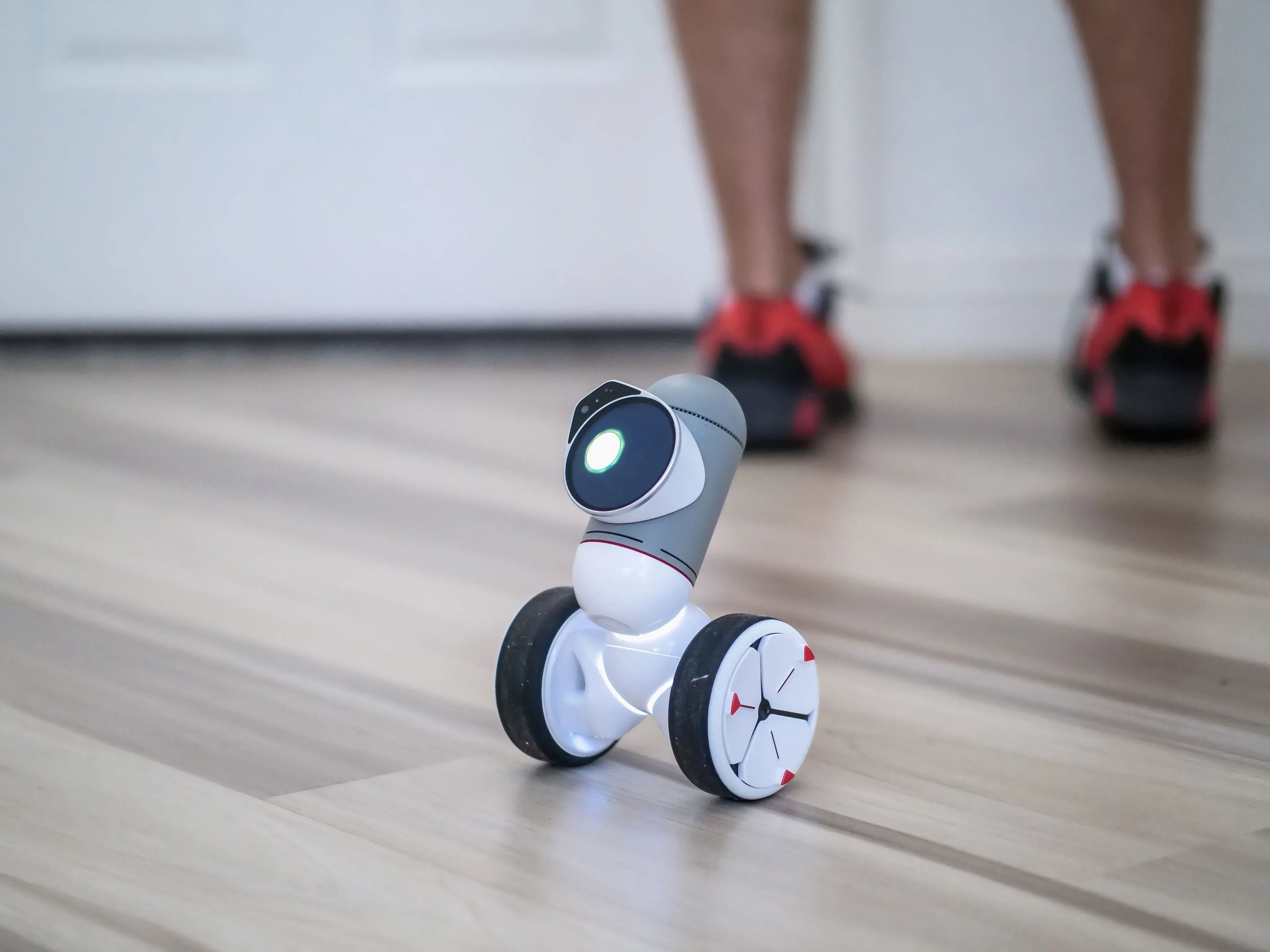
Is My Child's AI Toy Safe From Hackers? App-Connected Toy Security Explained
By Curio Team
In these modern technological times, it's fair for parents to wonder where and how their children's data is handled, which is part of why we have laws like COPPA. But COPPA mainly covers whether a company is allowed to collect that data with consent; it doesn't guarantee the data is actually protected once collected. One overlooked problem is that data can still be intercepted by people who were never authorized to have it. It's a bit scary to think about, but there are actionable steps you can take so it doesn't happen to you.
What Makes AI Toys Vulnerable
Before going into the actual vulnerabilities of AI toys, it helps to understand how these toys work in the first place, since that's where the risk actually comes from.
A Live Connection
Similar to other smart devices, AI toys often need a connection to the internet for the AI to work. By sending a constant stream of data, these toys can talk and pull things from the internet to use in conversation. This shouldn't be viewed as a total downside, though, since almost everything nowadays connects via WiFi or Bluetooth. It's simply a channel that didn't exist in a traditional toy, and it's the first thing worth understanding.
Multiple Attack Points
What gives attackers an edge is that a lot of the information tied to AI toys is stored across multiple different locations: the toy, the app, and the servers behind them. This creates multiple different points an attacker could target. A toy can do everything right, but if the backend or the app is weak, it can still be exploited.
Key Takeaway: Almost all modern technology has security risks, and AI toys are not an exception. Because they're used by children, keeping security tight should be a top priority, not an afterthought.
Security Questions That Matter
Is the connection encrypted?
Look in the privacy policy for language confirming that data is encrypted both while traveling and while sitting in storage. If a policy doesn't mention encryption at all and only talks about features, take that as a red flag.
Does the company disclose exactly which third parties touch the data?
A bit harder to find, but a solid privacy policy should state which third parties handle the data. If it's not disclosed anywhere, that's a bad sign, though always double-check before assuming the worst.
Is my child's data used to train AI models?
This is a newer concern. The FTC clarified in 2025 that COPPA requires a separate parental signature specifically for using a child's data to train AI. Just because a policy omits this doesn't mean it isn't happening; it just means it's worth asking.
Are voice recordings deleted after processing?
Check specifically for what happens to the raw audio file itself, not just the transcript, since a policy can address one and stay silent on the other.
Is there a written data retention limit?
Look for an actual timeframe in writing for how long data is kept. Avoid any toy whose policy only says something vague like "keeping data as needed" without explaining where anything actually goes or for how long.
How Curio Approaches This
Here's exactly how we approach those five questions, so you aren't just taking our word for it: all data is encrypted both in transit and at rest. We name our third-party vendors specifically, Kids Web Services and Azure Cognitive Services, rather than hiding behind a vague "our partners" line. We don't use conversations to train our AI models, and the third-party AI service we use only holds onto data for the length of a single conversation. We delete voice recordings after turning them into transcripts, and delete the transcripts themselves after 90 days. You can also delete your saved data at any time through the app.
We're not going to pretend account security is finished, because cybersecurity is always evolving. Email authentication is what protects parent accounts today, and two-factor authentication will likely be on our roadmap as we keep building. But when it comes to what actually matters most, what happens to your child's conversations, we don't wait around: we never use them to train our AI, period. That's a line many companies in this space haven't drawn, and we don't plan to cross it.
What Parents Should Check For
If a company doesn't clearly answer the five questions above, don't just assume the worst; email them and ask directly. If they answer quickly and clearly, that's a great sign. If not, it's fair to take that as a reason to keep looking elsewhere.
Conclusion/TL;DR
So, can your AI toy get hacked? Technically, yes, anything connected to the internet carries some level of risk. But the more useful question isn't whether it's possible, it's whether it's likely, and that comes down almost entirely to the company behind it. A toy built by a company that encrypts its data, discloses its vendors, skips AI training on kids' conversations, deletes raw audio, and sticks to a clear retention limit has already closed off most of the paths an attacker would need. If you're considering an AI toy and feeling uneasy about it, run through the five questions above. If the company checks those boxes, you can move forward with confidence, not because the risk disappeared, but because you've already ruled out the ways it usually shows up.