How AI Toys Are Making STEM Fun for Kids
By Curio Team
STEM has always been a struggle for a lot of kids. Some enjoy it, sure, but what about the ones who don't? What if there was a way to make it enjoyable for those who don't, and even more enjoyable for those who do?
AI toys might close that gap. They make STEM easier for younger kids to grab onto and introduce it at an age when it still feels like play, not pressure. Instead of waiting until a kid hits a classroom and gets labeled as "good" or "bad" at STEM subjects, these toys plant the seed years earlier, back when curiosity is still the main thing driving how a kid plays. There are plenty of reasons why this works.
What Makes An AI Toy "Fun" For STEM
AI toys take a few key aspects that make STEM more fun, and none of them feel like a lesson while they're happening. It's not one single feature doing the heavy lifting either. It's a combination of small design choices, how the toy responds, how fast it reacts, how it handles mistakes, that add up to something that feels less like a tool and more like a game a kid actually wants to keep playing.
Reactive Play
When a toy does the same thing every time, it gets old fast. Once a kid figures out how it works, the charm wears off. AI toys are different though, since they rely on generated responses or AI powered thinking. They can produce an entirely different response depending on what a child says, keeping play unpredictable. That's what makes AI toys fun even after the twentieth time playing with them.
Instant Payoff
Most coding robots and other AI toys run on instant feedback. Press a button, get a result, and that fuels the sense of cause and effect in a child's brain. This matters more than people might think. Kids don't have the same patience as adults, and most won't sit around for delayed gratification. A toy that answers back right away feels more like a game than a test. Every small success gets rewarded, and a child is more likely to keep trying just to see what happens next.
Physical Interaction
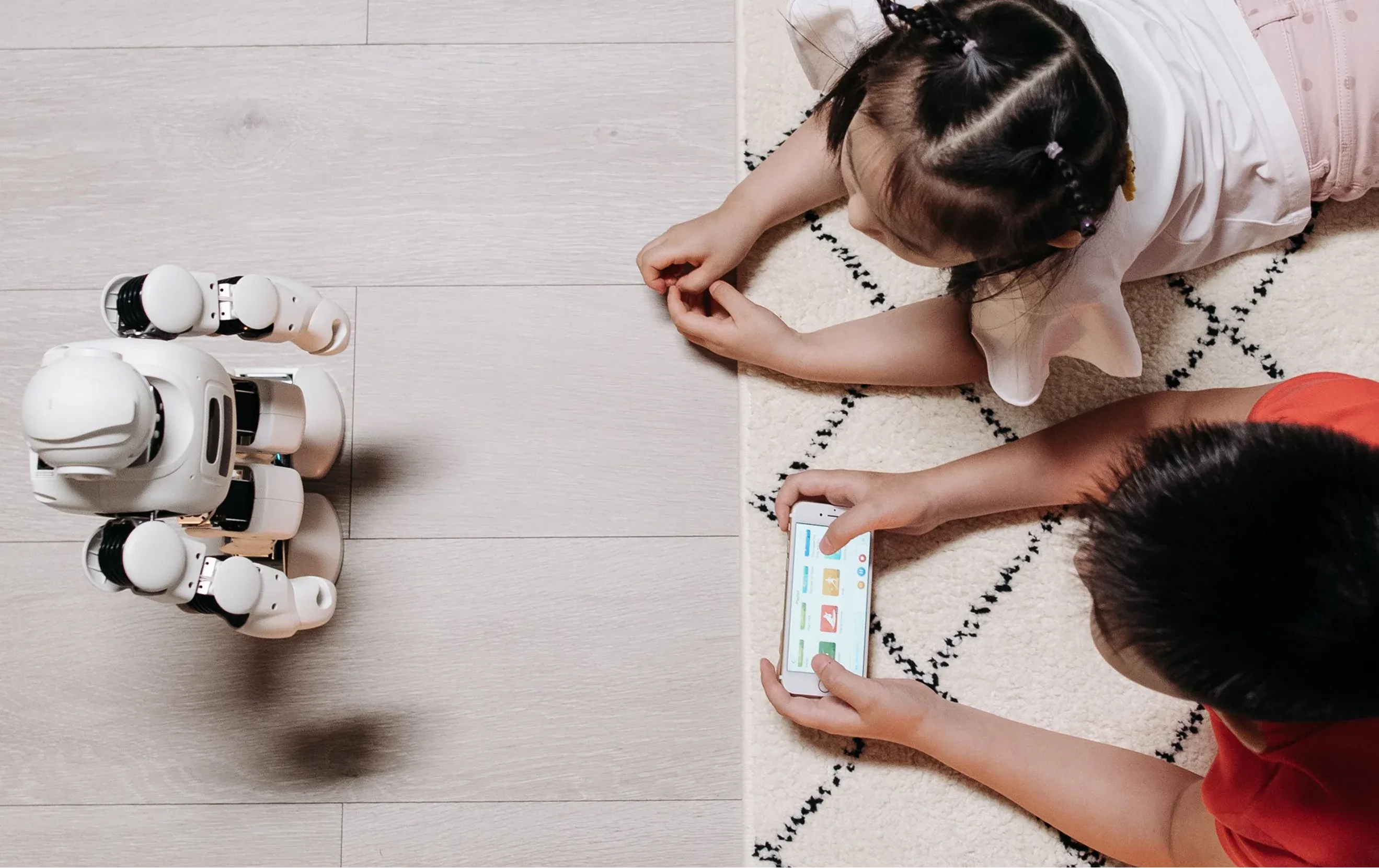
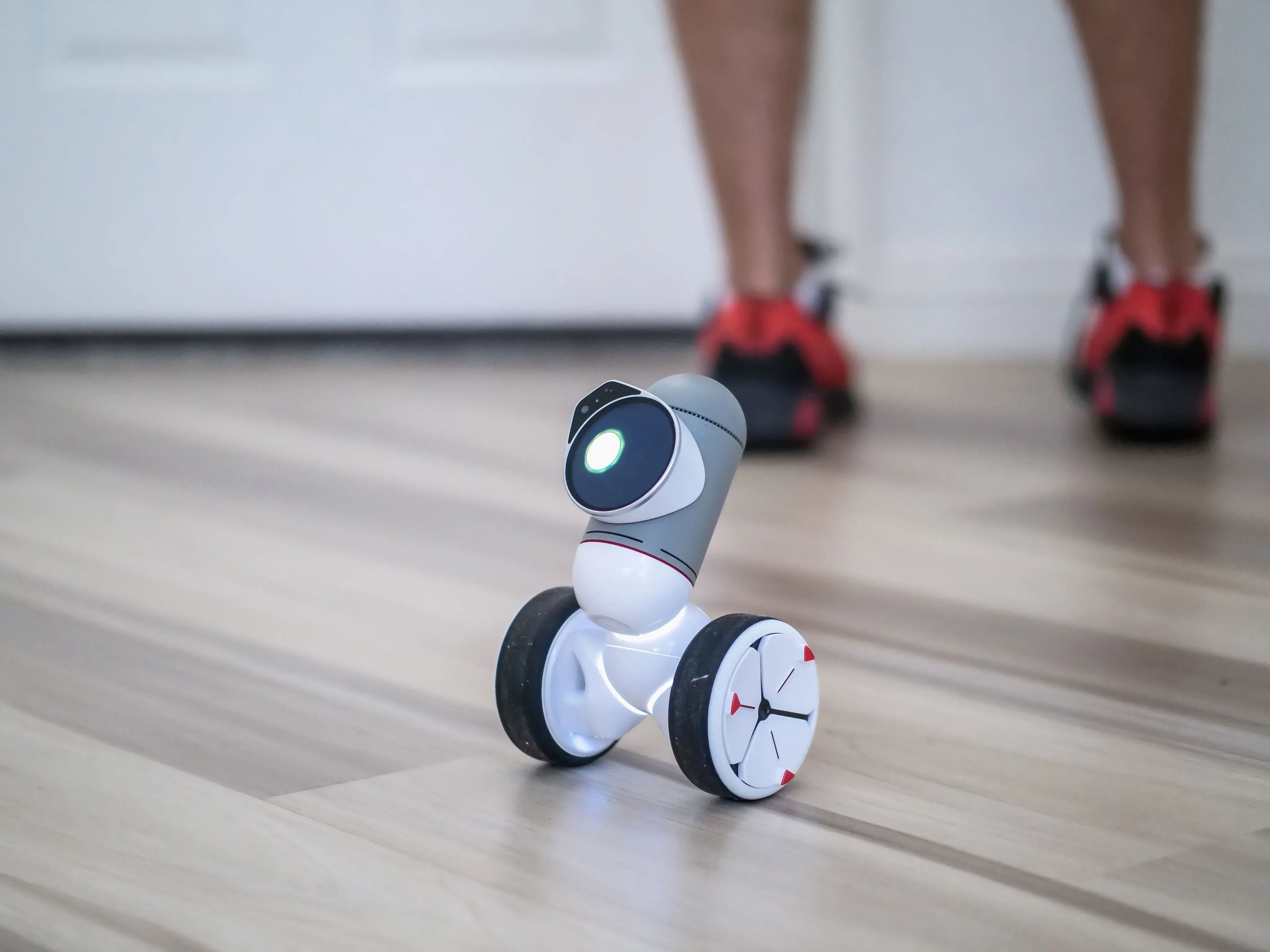
One very unique advantage AI toys have is that the majority of them include a physical component. This is especially useful for coding robots or other STEM robots that use blocks or pieces which need to be put together, letting the AI see what was built and tell the child where they went wrong. There's often more satisfaction in seeing something you actually built work and pass, compared to something on a screen, which can feel kind of detached.
Supportive Instead of Judgemental
When a kid is playing with one of these toys, it doesn't just flash incorrect and make them retry. It nudges them toward the right direction. This ties into reactive play, since that same responsiveness helps guide a child to the correct answer. This can be especially useful for kids who struggle with self esteem or perfectionism, who tend to be more affected by a negative tone. Kids stay in trying mode longer because the toy never makes them feel dumb for getting it wrong.
Grows With Child
One thing that's incredibly unique about AI toys is their ability to grow with a child. A kid could have the same toy for three or four years, and while a normal toy would have gotten boring after year one or two, this one could stay interesting far longer. Another way personalization makes this possible is by adjusting the difficulty of the tasks it gives a kid. This keeps the toy from being too easy or too hard, just challenging enough to stay interesting. It's also good for your wallet, since a kid won't need a replacement toy nearly as fast.
Examples
Coding Robots
Coding robots let a kid arrange pieces of a sequence on an interface, then send the physical robot out to do exactly what they programmed. For example, a child could set the steps as go forward, turn left, then stop, hit run, and see if the robot actually does what they instructed. Coding robots work well because they combine a good amount of physical interaction with reactive play, which is what makes AI coding robots so effective.
Conversational Voice Assistants
These toys are interesting because they usually come in two major types. The first is a plush form, similar to some conversational plush lineups on the market. The second comes as more of a tablet based AI conversational device. The primary use of these toys is open ended play combined with good reactivity. They're best used for homework help or answering general questions, and they tend to be more popular with younger kids who aren't quite ready to move on to coding robots yet.
Conclusion
AI toys make STEM fun because they incorporate features that just make playing fun in general. They're reactive, they don't have delayed gratification, and they don't punish a kid for getting something wrong. These things keep the toy engaging, which drives up how long a kid stays interested. The best thing about AI toys and STEM is that they teach kids STEM can actually be fun, and that lesson sticks around a lot longer than the enjoyment they got from the toy itself.
- STEM
- STEM with AI Toys