Do AI Toys Improve Memory and Attention in Children?
By Curio Team
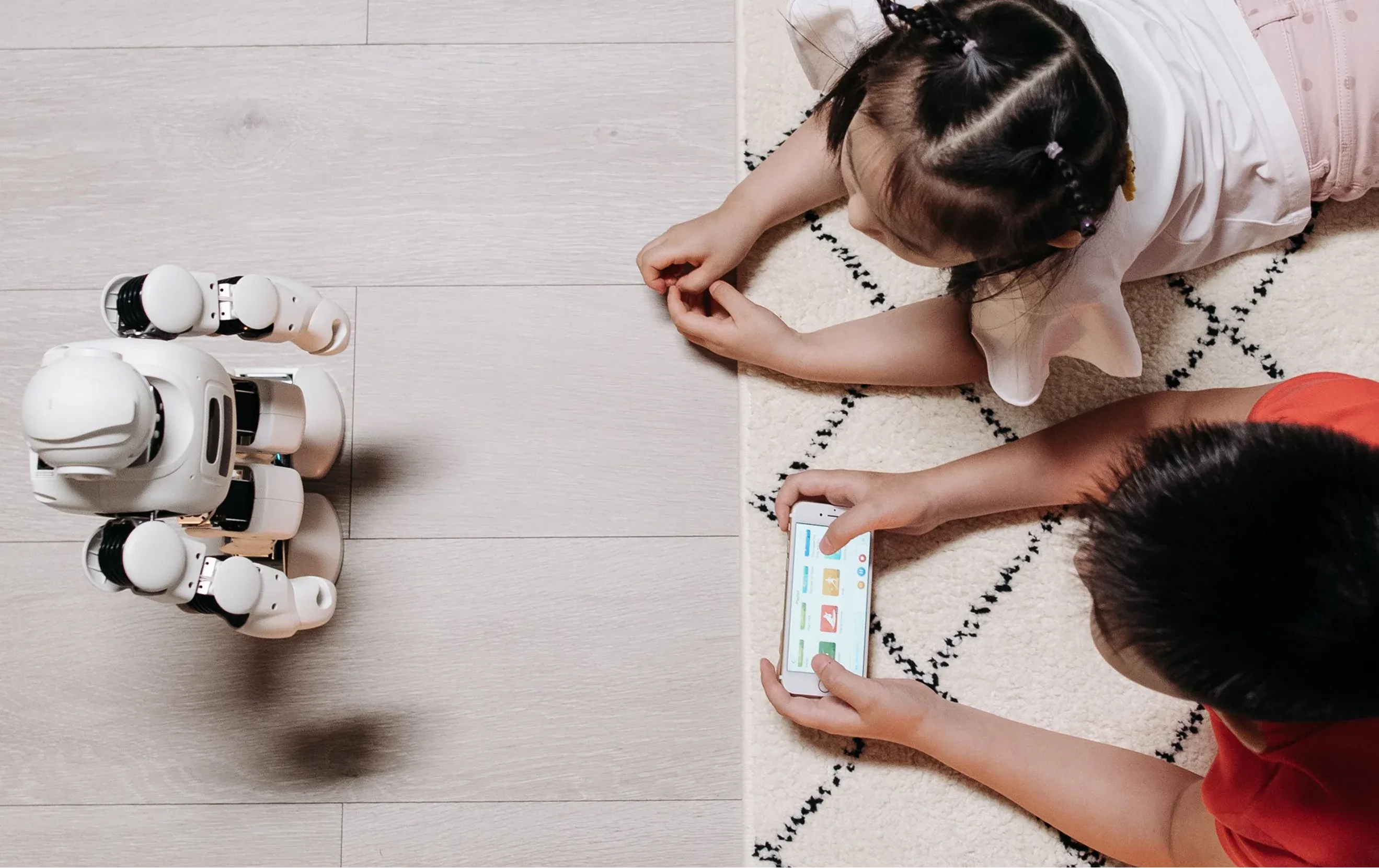
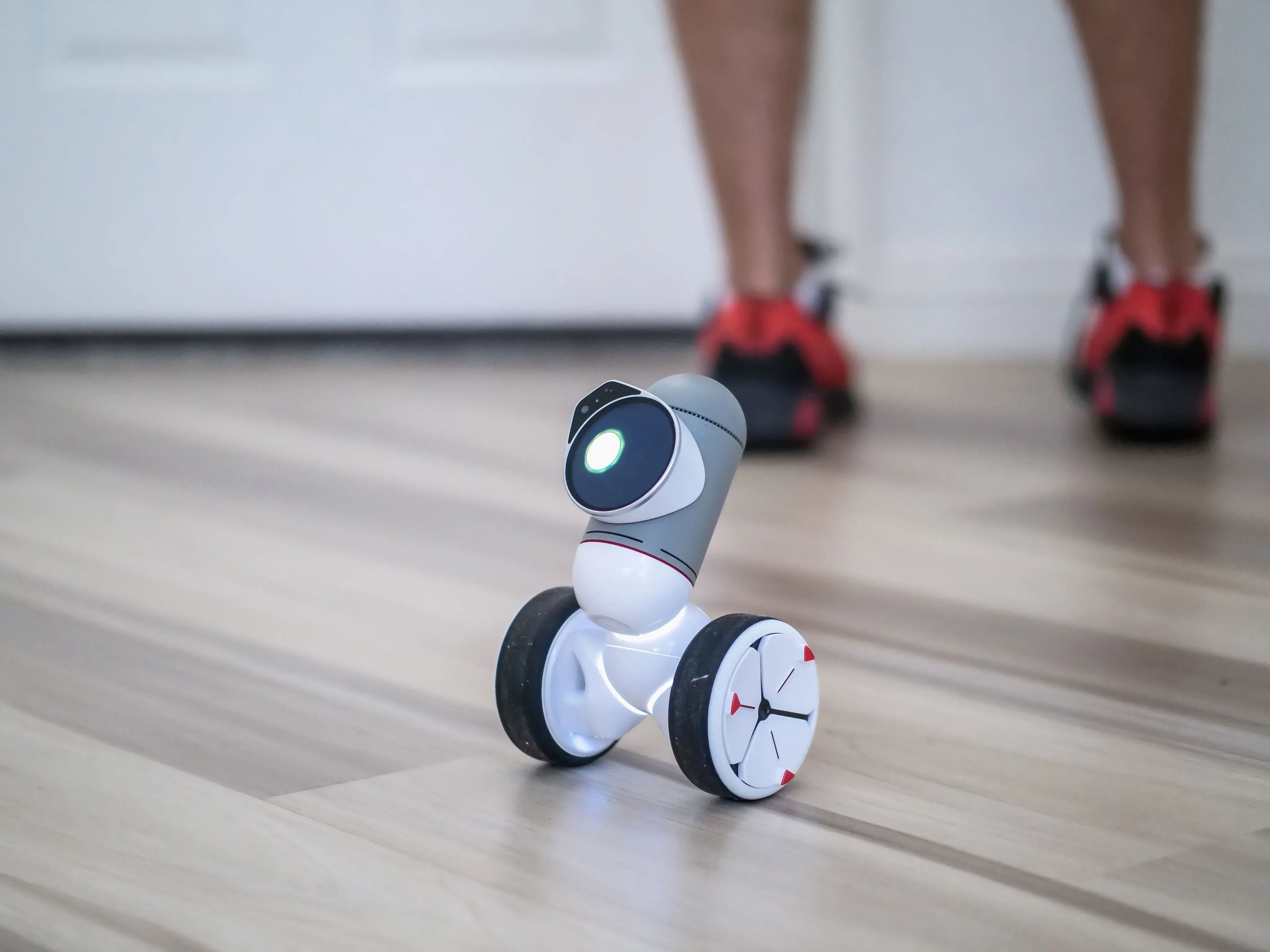
Parents who grew up hearing "turn off the TV and go play outside" are understandably worried about AI toys. Things like video deficit that come with screen time actually cement these ideas in parents' heads. The thing is though, most AI toys do not even have screens. They are built to encourage open ended play, the exact thing that counters the mindlessness that tablets offer.
Now the real question is, can AI toys improve memory and attention in children? It is a good question because a lot of companies advertise this but do not actually follow through on their promises. Here is what the science actually says.
Positive Evidence
Skeptics of AI toys believe that AI powered must immediately mean it is working against a child's developing brain, but one study might just disprove that. A 2024 study published in the World Journal of English Language set out to see what effect AI has on education and memory exactly. Two researchers, Diane Agnes and R. Srinivasan at Vellore Institute of Technology, tested whether AI generated mnemonic keywords could improve vocabulary retention compared to standard flashcard study alone.
The results were very interesting. The AI generated mnemonic keywords and flashcards actually performed better than the control group using flashcards alone. This shows that AI assisted learning can actually be more beneficial than solo study. The participants also reported that learning was significantly more enjoyable with the AI. While this study was primarily focused on adults trying to learn English, it is a step in the right direction for education with AI.
Study Limitations
While promising, it is important to remember these were undergraduate students learning English. The study was not conducted using an AI toy, and this is where we get a bigger picture on the 2026 situation with AI toys. There have not been that many studies on AI toys specifically.
Limited Toy Research
ChatGPT released in late 2022, shaking the world by putting consumer grade AI straight into the hands of the average person. While for some it is hard to imagine life without AI, it has only been around for about four years and the research around AI toys is even newer. There are only a handful of studies currently, however the ones that do exist show promising results.
One issue is that studies can take multiple months to even years, and the most advanced AI tools were not even around two years ago. The market moves faster than the research, and the AI toys available right now are fundamentally different products from what researchers were even looking at a few years ago.
Why The Gap
The gap in the research does not mean that AI toys do not or will not work. It simply means the technology moved faster than the academic world could keep up with. This is not a new thing. The same happened with smartphones, tablets and televisions. Research around those tools only happened after they hit the public market, and parents were left making decisions without much evidence either way. AI toys are no different.
What parents do have currently is a small amount of positive early research and a growing number of child development researchers who are seeing a trend. What they see is that when a child interacts with a truly well developed AI toy, they stay engaged and come back asking more questions the next day.
What Makes AI Toys Different?
This is where we circle back to the video deficit phenomenon mentioned earlier in this article. Very young children who watch something on a tablet or from a video learn significantly less than they would from a parent, a teacher or something interactive with back and forth communication. The video deficit phenomenon itself is essentially about how children who spend a lot of time on a tablet can develop attention difficulties and have a harder time learning and staying focused.
This falls in line with the actual research. Children need back and forth engaging conversation to learn and retain information. When a child is watching something they are only receiving information, and they can either doze off or not pay attention and the information is just lost on them. When a child interacts with an AI toy however, it is a form of open ended play where the toy responds and gives feedback almost immediately. This supports how children actually learn, through real time feedback that makes them want to keep coming back for more.
So when a parent asks whether an AI toy is better than a screen, the answer is almost undoubtedly yes. The two are fundamentally different and offer a completely different plane of communication.
Conclusion
So to answer the question this article poses, do AI toys actually improve memory and attention? The answer is yes, but it is not a strong yes. The research is still very new, and what is already out there is positive but extremely limited. The groundwork is there though. AI toys use the same mechanisms that children have always used to learn language and other skills in early childhood, back and forth conversation, real time feedback and active engagement. The science behind those mechanisms is not new, only the technology delivering them is. It is a very interesting time to be in the world of AI toys, and what comes in the near future is something worth watching closely.
Source:
Title: "The Role of AI-Generated Mnemonics in Vocabulary Retention"
Authors: Agnes, R. and Srinivasan, K.
Source: World Journal of English Language, 14(6), 2024